Construction projects like major home renovations, or ground-up builds bring a lot of complexity for anyone outside the industry. You'll face countless decisions about budgets, schedules, contractors, permits, and quality standards.
One wrong choice can cost thousands of dollars or months of delays. That's where an Owner's Representative (OR) comes in.
An Owner's Representative is a construction professional you hire to act as your advocate throughout the project. They protect your interests, manage the moving parts, and bridge the gap between your design vision and construction reality.
Unlike contractors who build or architects who design, the OR works exclusively for you, making sure your goals, timeline, and budget stay the priority from planning through final completion.
Your Quick Summary
- An Owner's Rep is your independent advocate with no financial stake in construction costs
- They oversee budget, schedule, quality, and team coordination throughout your project
- Improves cost performance by 10% through better planning and change order control
- Most valuable for complex projects over $500K
- Fees typically range from 3-8% of construction cost for residential projects
What Is an Owner's Representative in Construction?
An Owner's Representative is a construction professional you hire to act as your advocate and project manager from initial planning through final completion. According to the Construction Management Association of America (CMAA), the OR functions as your principal agent and advisor throughout the project lifecycle.
What makes the OR unique is their independence: they're the only team member whose sole contractual obligation is executing your goals. They have no financial stake in construction costs, no design fees to protect, and no vendor relationships that create conflicts of interest - which means when they tell you a contractor's change order is overpriced, you can trust that assessment.
If you're stuck trying to figure out who you actually need on your renovation team, call 408-306-5003 for a free consultation, I can help you get unstuck and understand your options clearly.
How an Owner's Rep Differs from Other Roles
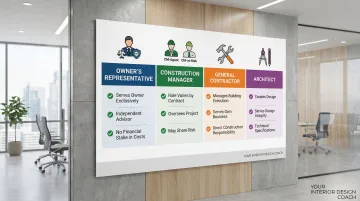
Understanding how an OR differs from other construction team members helps clarify their unique value:
| Role | Primary Function | Who They Serve | Key Distinction |
|---|---|---|---|
| Owner's Representative | Strategic oversight and owner advocacy across all phases | You exclusively | No financial stake in construction costs; independent advisor |
| Construction Manager | Can mean CM-Agent (like OR) or CM-at-Risk (contractor role) | Varies by contract type | If offering Guaranteed Maximum Price, they're a contractor, not advisor |
| General Contractor | Builds the project; manages labor, materials, subcontractors | Their own business interests | OR oversees GC on your behalf |
| Architect | Creates design, interprets codes, ensures aesthetic goals | Design integrity | OR ensures architect's design is executed properly and stays within budget |
When Owner's Representatives Are Most Valuable
ORs deliver the highest value on projects where complexity exceeds your internal expertise or available time.
- Complex renovations requiring coordination of multiple trades (electrical, plumbing, HVAC, structural)
- New construction projects with phased schedules and extensive permitting requirements
- Commercial fit-outs where business operations must continue during construction
- Projects over $500K where even small percentage savings justify the OR fee
- Situations where you lack construction experience and need protection from costly mistakes
- Tight timelines or budgets where delays and overruns create serious financial consequences
Research from the Construction Industry Institute shows that projects with rigorous front-end planning (a core OR function) perform approximately 10% better on cost and 16% better on schedule compared to poorly planned projects.
While ORs are standard on large institutional projects like hospitals and schools, they're increasingly hired by homeowners, real estate developers, and small business owners on mid-sized projects where professional oversight prevents expensive mistakes.
What Does an Owner's Rep Actually Do?
Project Planning and Feasibility
Before breaking ground, your OR helps establish a solid foundation:
- Define clear project goals aligned with your business or personal objectives
- Establish realistic budgets and timelines based on current market conditions
- Evaluate site conditions and identify potential constraints early
- Select the appropriate project delivery method (Design-Bid-Build, Design-Build, etc.)
- Assist with architect and contractor selection using qualification-based criteria
The Construction Industry Institute emphasizes that the ability to influence project cost drops rapidly as work progresses; front-end planning is where value is created, not during construction when you're limited to damage control.
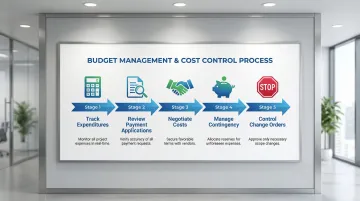
Budget Management and Cost Control
This is usually the part of the project where most owners feel the most pressure, because costs can shift quickly once work starts and change orders begin showing up. Here’s how an OR protects your investment:
- Track all expenditures against the approved budget
- Review contractor payment applications for accuracy before you pay
- Negotiate costs and identify cost-saving opportunities without compromising quality
- Manage contingency funds strategically for unforeseen conditions
- Control change orders by evaluating necessity and validating pricing - having someone who reviews each change order before you approve it means you stop paying for scope that was already included and start making informed decisions about what's genuinely additional
Schedule Oversight and Milestone Tracking
Time is money in construction, which makes schedule management equally critical:
- Monitor contractor schedules against actual site progress
- Track milestone completion and identify potential delays early
- Coordinate sequencing between trades to prevent bottlenecks
- Work with contractors to develop recovery plans when delays occur
- Coordinate ordering of long-lead items (custom materials, specialty equipment) to prevent schedule delays
Quality Assurance and Contract Enforcement
Beyond budget and schedule, quality control protects you from costly rework:
- Conduct regular quality inspections at critical construction phases
- Verify work meets specifications, drawings, and building codes
- Document deficiencies and guarantee timely correction
- Enforce contractual obligations when contractors fall short
- Review submittals (product samples, shop drawings) before installation
This oversight creates accountability. Contractors know someone knowledgeable is watching, which prevents substandard work from going unnoticed until it's expensive to fix.
Team Coordination and Communication
Construction involves dozens of decisions and constant communication between multiple parties:
- Act as single point of contact between you, architect, GC, engineers, and consultants
- Lead regular project meetings and distribute action items
- Make certain information flows efficiently to the right people at the right time
- Filter routine issues and escalate only critical decisions to you
- Maintain alignment between design intent and construction execution
Risk Management and Problem Solving
Problems are inevitable, but early identification prevents them from derailing your project:
- Maintain risk registers tracking potential issues throughout the project
- Develop mitigation strategies for schedule, budget, and quality risks
- Resolve conflicts between parties before they escalate into disputes
- Navigate unforeseen conditions (hidden structural issues, site contamination)
- Protect you from liability through proper documentation and contract administration
Document Management and Compliance
Good project documentation matters because approvals, pricing changes, and contractor responsibilities become much harder to track once revisions start happening throughout the project:
- Maintain complete project files including contracts, permits, and approvals
- Document all change orders with proper authorization and pricing backup
- Record meeting minutes and decisions for future reference
- Compile inspection reports and testing documentation
- Organize warranties, O&M manuals, and as-built drawings for your long-term use
How an Owner's Representative Can Help You
Protecting Your Investment and Interests
Your OR is the only team member with undivided loyalty to you. The architect wants to protect their design vision. The contractor wants to maximize profit and minimize their risk. Subcontractors and vendors want to sell their products and services. Only the OR's success is measured purely by whether your goals are met.
This advocacy protects you when interests conflict. A contractor might propose an expensive change order that's actually unnecessary, or an architect might specify premium materials that blow your budget without proportional value.
Saving Time and Reducing Stress
Beyond protecting your interests, your OR handles the daily project demands that would otherwise consume your time:
Construction project management is essentially a full-time job. Your OR manages:
- Answers contractor questions and makes routine decisions
- Attends site meetings and conducts inspections
- Reviews submittals and payment applications
- Coordinates between multiple parties
- Tracks hundreds of details simultaneously
You stay informed through regular summary reports but aren't buried in constant emails, calls, and site visits. You focus on your business or personal life while the OR ensures the project moves forward. What I've seen with clients is that removing that day-to-day coordination burden is often the most valued benefit - the project continues without requiring you to drop everything every time a question comes up.
Avoiding Costly Mistakes and Delays
Professional oversight prevents the expensive problems that plague owner-managed projects:
- Budget overruns from uncontrolled change orders and poor planning
- Schedule delays from inadequate coordination between trades
- Quality issues from insufficient oversight and unclear standards
- Disputes from ambiguous contracts and poor documentation
Data from the Construction Industry Institute shows that projects with strong planning and management practices experience average cost reductions of 2.3%. Projects with poor practices see cost growth of 8.6%.
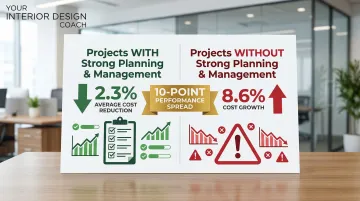
That 10-point spread often exceeds the OR's fee.
Making Informed Decisions with Expert Guidance
Construction involves technical complexity most owners don't encounter daily. Your OR translates this complexity into clear information:
- Explains trade-offs between design options in terms of cost, schedule, and performance
- Evaluates whether contractor claims about unforeseen conditions are legitimate
- Advises whether proposed substitutions maintain quality standards
- Helps you understand when to hold firm and when to compromise
This knowledge prevents contractors or vendors from taking advantage of your inexperience. You make confident decisions backed by expert analysis rather than relying solely on parties with financial interests in the outcome.
Ensuring Quality and Accountability
Regular OR oversight creates accountability across the team. Contractors know their work will be inspected by someone who understands construction standards. Architects know their designs will be reviewed for buildability and budget alignment. This visibility prevents problems from hiding until they're expensive to correct.
Your OR's progress reporting gives you transparency into whether the project is truly on track or if you're being told what you want to hear. You see objective data about schedule performance, budget status, and quality metrics, not just the contractor's optimistic assurances.
How to Choose the Right Owner's Representative
Essential Qualifications and Experience
When choosing an Owner’s Representative, I’d look beyond pricing first and pay close attention to how confidently they can guide a project when things become complicated, because they almost always do at some point.
The right OR should feel like someone who can anticipate issues early, communicate clearly under pressure, and keep the project moving without creating more confusion for you along the way.
Look for these core qualifications:
- Relevant experience with your specific project type (residential, commercial, renovation, new construction)
- Strong knowledge of construction contracts, local building codes, and permitting processes
- Proven track record managing budgets and schedules on similar-scale projects
- Excellent communication skills to coordinate multiple parties and explain complex issues clearly
- Professional certifications such as CCM (Certified Construction Manager) or PMP (Project Management Professional)
Questions to Ask During Selection
The interview process is the best way to understand how an Owner’s Representative actually manages projects once construction begins. A few important questions to ask include:
- "What similar projects have you managed in the past two years?"
- "How do you handle situations where the budget is trending over?"
- "Can you provide references from recent clients I can contact?"
- "What reporting will I receive, and how frequently?"
- "How often will you be on-site, and what triggers additional visits?"
I’d also pay attention to how clearly and directly they answer these questions, since communication and organization become critical once the project is underway.
Red Flags to Watch For
A few warning signs usually become clear early in the selection process if you know what to look for:
- They also offer construction or design services (creates conflicts of interest)
- Their portfolio shows different project types, scales, or markets than yours
- Slow response times, vague answers, or inability to explain concepts clearly
- Unwilling to provide recent client contacts, or references give lukewarm feedback
- Proposed services lack specific deliverables, reporting frequency, or phase definitions
- Pressure to make quick decisions or dismissal of your concerns
What to Expect: Costs and Fee Structures
Typical Fee Structure
OR fees vary based on project characteristics, but three models dominate:
Percentage of construction cost:
- Residential projects: 3-8% of total construction cost
- Commercial projects: 2-5% of total construction cost
- Lower percentages apply to larger projects due to economies of scale
- This model aligns OR compensation with project size but can create misaligned incentives if not structured carefully
Hourly rates:
- Range: $100-$300 per hour depending on experience, market, and project complexity
- Best for early feasibility phases, small projects, or undefined scopes
- Provides flexibility but requires careful tracking and can lead to budget uncertainty
Monthly retainers:
- Fixed monthly fees for long-term projects with predictable OR involvement
- Provides budget certainty and encourages consistent engagement
- Often combined with hourly rates for work exceeding baseline scope
Lump sum fees:
- Fixed total fee for clearly defined scope and timeline
- Best for well-defined projects with predictable effort
- Requires detailed scope agreement upfront to prevent disputes
Industry practitioner sources indicate that fees depend on project size, complexity, required staffing levels (full-time on-site vs. periodic review), and local market rates.
Understanding Value vs. Cost
OR fees add to your project budget, but professional oversight pays for itself through better outcomes.
Construction Industry Institute research demonstrates that thorough planning and management (core OR functions) improve cost performance by approximately 10% compared to poorly managed projects.
On a $1 million project, a 5% OR fee ($50K) is justified if it prevents just 5% in cost overruns, schedule delays, or quality issues.
Most projects without professional oversight experience far greater losses through uncontrolled change orders, coordination delays, and rework.
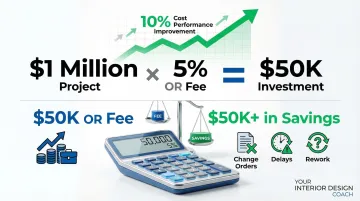
This makes the fee an investment in project success, risk mitigation, and peace of mind, not merely an added expense.
The question isn't whether you can afford an OR, but whether you can afford the mistakes that occur without one.
What's Included in OR Services
Clarify what your OR fee covers before signing:
Typically included:
- Project planning and feasibility analysis
- Budget development and cost tracking
- Schedule monitoring and milestone tracking
- Contract review and administration
- Team coordination and meeting facilitation
- Quality inspections and progress reporting
- Change order evaluation and recommendation
- Risk management and problem resolution
Often extra (confirm in writing):
- Detailed cost estimating (beyond budget-level analysis)
- Permitting assistance and agency coordination
- FF&E (furniture, fixtures, equipment) procurement
- Post-construction warranty management and facility handover
- Extensive travel to remote project sites
- Specialized consulting (environmental, structural, etc.)
Request a detailed scope of services document that specifies deliverables, reporting frequency, site visit schedules, and any exclusions or additional services available at extra cost.
Your Quick Recap
An owner's rep is not a luxury add-on for big projects - it is a risk management tool. Every project has a moment where something unexpected happens. The question is whether someone is watching for it before it becomes expensive. That is what an owner's rep does, day in and day out.
- Your contractor works for their business; your owner's rep works exclusively for you
- Front-end planning is where cost and schedule are actually controlled, not during construction
- Change orders are inevitable on most projects; having someone review each one prevents inflation
- Communication gaps between architect, contractor, and owner cost real money - the OR closes those gaps
- The earlier an owner's rep is engaged, the more leverage they have over outcomes (bonus insight)
- For complex interior-focused projects, an experienced design coach can serve many of these same functions at a fraction of the cost (bonus insight)
If you're still feeling stuck and haven't been able to move things forward, let's talk! Reach out for a free consultation at 408-306-5003, and we can take it from there.
Frequently Asked Questions
What does an owner's rep do in construction?
An Owner's Rep acts as your advocate, overseeing all project aspects from planning through completion. They manage budget tracking, schedule monitoring, quality inspections, and team coordination, working exclusively for you to protect your interests, unlike contractors who build or architects who design.
What is the difference between a construction manager and an owner's rep?
An Owner's Rep serves as your independent advisor with no construction risk. A "Construction Manager" can mean either a CM-Agent (essentially the same as an OR) or a CM-at-Risk who acts as the general contractor with performance obligations. The key difference is risk allocation: CM-at-Risk is a builder; an OR is an advisor.
Do I need an owner's representative for a home renovation?
It depends on complexity, budget, and your construction knowledge. ORs add clear value for renovations over $500,000, complex multi-trade projects, or situations where you lack time or expertise. For straightforward renovations under $100,000 with experienced contractors, an OR may be unnecessary overhead.
How much does an owner's representative cost for residential projects?
Residential OR fees typically range from 3-8% of total construction cost or $100-$250 per hour. Exact costs depend on project size, complexity, location, and scope of services. Request detailed proposals from multiple qualified ORs to compare value and approach.
Can an interior designer act as an owner's representative?
Some interior designers offer project management services that overlap with OR responsibilities for design-focused projects. However, full OR services require broader construction expertise: contract administration, budget control, schedule management, and quality oversight. For comprehensive projects, ensure your designer has construction management experience or engage a dedicated OR.
What's the difference between an owner's rep and a general contractor?
A General Contractor builds your project, managing labor, materials, and subcontractors to execute construction work. An Owner's Rep oversees the GC on your behalf, ensuring they meet quality standards and adhere to budget and schedule. The GC works for their own profit; the OR works exclusively for you.
Final Thoughts
Hiring an Owner's Representative is a strategic decision that depends on your project's complexity, your available time and expertise, and your tolerance for construction risk. For projects where mistakes are costly and coordination is complex, an experienced OR provides invaluable advocacy, oversight, and peace of mind. They're not just another expense; they're an investment in protecting your interests and ensuring your construction project delivers the results you envisioned.