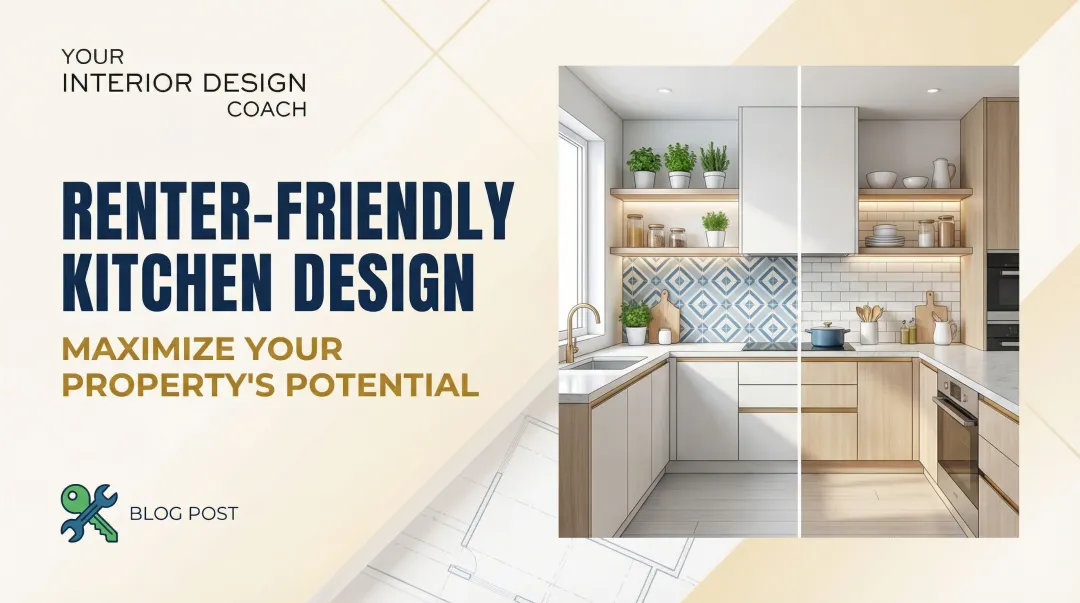
Renters face a real tension: wanting to create a home that reflects their personality while dealing with lease restrictions, bland builder-grade finishes, and the knowledge that any permanent change risks the security deposit.
With 35% of U.S. households now renting and 65% planning to stay in their current rental for three years or more, the desire to personalize rental spaces has never been stronger.
Despite these constraints, you don't need to sacrifice your security deposit to create a space you love. Smart, reversible design hacks can transform even the most generic rental into a welcoming home that travels with you.
Your Quick Summary
- Transform walls and floors with removable wallpaper and peel-and-stick tiles, no damage, no deposit risk
- Define zones and make small spaces feel larger using furniture arrangement and layered textiles
- Swap lighting fixtures and cabinet hardware for instant personality without drilling holes
- Use freestanding storage pieces that add style while solving limited closet space
Hack #1: Transform Walls with Removable Wallpaper and Decals
In rental spaces, walls usually carry the biggest design responsibility because they make up the largest uninterrupted surface in the room. Most rentals come with neutral builder-grade paint that is designed to feel broadly acceptable, but not necessarily warm, layered, or personal.
What I’ve noticed is that even well-furnished rentals can still feel unfinished if the walls are visually empty or disconnected from the rest of the space.
Choosing the Right Removable Wallpaper
The removable wallpaper market is projected to reach $2.8 billion by 2035, driven by renter demand for temporary customization. Understanding your options helps you choose the right product for your space and budget. Three main types exist:
Peel-and-stick wallpaper:
- Self-adhesive backing applies directly to walls
- Most durable option with best coverage
- Easiest to reposition during installation
- Price range: $25-$50 per roll
Fabric wallpaper:
- Static cling or light adhesive backing
- Gentler on walls but less durable
- Works best for accent walls, not high-traffic areas
- Slightly more expensive but reusable
Removable decals:
- Individual designs or patterns
- Perfect for small accents or renters testing the waters
- Easiest to remove but least coverage
- Budget-friendly starting point ($10-$30)
Pattern selection tips:
- Choose designs reflecting your personal style
- Avoid overly trendy patterns you'll tire of quickly
- Consider longevity, you'll live with this for years
- Keep removal in mind when evaluating bold designs
Application Best Practices
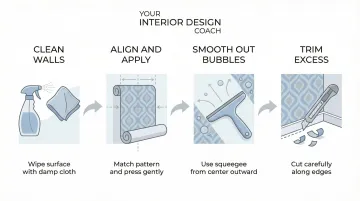
The installation process directly impacts how easily wallpaper comes off when you move - improper application often means tearing or residue. Proper technique now prevents hours of frustration at move-out:
- Clean walls thoroughly with a damp cloth and let dry completely
- Start from the top and work downward, aligning the first panel carefully
- Use a squeegee to smooth from center outward, eliminating air bubbles
- Trim excess with a sharp utility knife along baseboards and ceiling lines
Tricky areas like outlets and corners require specific techniques:
- At outlets, apply wallpaper over the plate, then cut an X and trim to edges
- For corners, overlap slightly rather than trying to match perfectly
- Around trim, use a credit card to crease the paper before trimming
Accent Wall Strategy
Accent walls are one of the most effective ways to add personality to a rental without overwhelming the space or making permanent changes. From a design perspective, they help create a focal point within the room, visually anchor furniture layouts, and add depth to spaces that often feel flat or overly neutral.
I usually recommend starting with a single wall because it is easier to install, easier to remove, and gives you the chance to see how the color, texture, or pattern actually interacts with your furniture, lighting, and overall decor before committing further.
Best accent wall locations:
- Behind beds in bedrooms (creates a headboard effect)
- Dining areas (defines the zone in open layouts)
- Entryway walls (makes a strong first impression)
In studio or open-concept rentals, accent walls visually separate sleeping areas from living spaces without physical dividers. Choosing the right wall takes strategy. If you are unsure which wall to choose, start with the one you see first when you enter the room or the one behind the main furniture piece.
Hack #2: Upgrade Floors and Backsplashes with Peel-and-Stick Solutions
Rental flooring is often outdated, damaged, or simply doesn't match your aesthetic.
Unlike walls, which may require landlord permission to alter, floors can typically be covered without violating lease terms since you're not damaging the original surface.
Peel-and-Stick Flooring Options
Modern adhesive flooring offers impressive durability at renter-friendly prices:
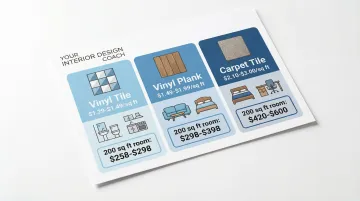
| Flooring Type | Price per Sq. Ft. | Best For |
|---|---|---|
| Vinyl Tile | $1.29-$1.49 | Bathrooms, kitchens, stone/marble looks |
| Vinyl Plank | $1.49-$1.99 | Living areas, bedrooms, realistic wood finishes |
| Carpet Tile | $2.10-$3.00 | Bedrooms, home offices, warmth and sound absorption |
Here's what you'd invest for a typical 200 sq. ft. bedroom:
- Vinyl tile: $258-$298
- Vinyl plank: $298-$398
- Carpet tile: $420-$600
Installation Process and Tips
- Measure your space and add 10% for waste and cuts
- Prepare the existing floor by sweeping, mopping, and ensuring it's completely dry
- Acclimate the flooring by leaving it in the room for 24-48 hours
- Start from the center of the room and work outward for balanced borders
- Stagger seams like brickwork to avoid long continuous lines
Even with straightforward installation, a few missteps can compromise your results. Watch out for these common mistakes:
- Installing over damp or dirty surfaces (causes poor adhesion)
- Not acclimating flooring (leads to expansion/contraction issues)
- Placing seams in high-traffic walkways (increases wear)
Kitchen and Bathroom Backsplash Upgrades
Beyond floors, backsplashes offer another high-impact upgrade opportunity. Peel-and-stick backsplash tiles modernize dated kitchens and bathrooms without grout or permanent adhesive.
Clean, dry surfaces are critical for proper adhesion. Wipe down with rubbing alcohol before applying.
Popular styles that add value:
- Subway tile patterns (classic, timeless)
- Geometric designs (modern, eye-catching)
- Faux marble or stone (upscale appearance)
Apply tiles level and flush, using a ruler to ensure straight lines. Most peel-and-stick backsplashes are heat-resistant but keep them at least 2 inches from direct flame on gas stoves.
If you're unsure which flooring or backsplash style works best for your rental's layout and aesthetic, I can help you narrow it down before you buy anything. We’ll look at your lighting, flooring, cabinets, and lease limits so you’re not choosing something only because it looks good online. Reach out for a free consultation at 408-306-5003, and we can take it from there.
Hack #3: Master Strategic Furniture Placement and Space Planning
Furniture does not just occupy space — it actively shapes how the room functions and feels. The placement of a sofa can either improve circulation or interrupt it completely. A dining table can make a room feel grounded and proportional or visually crowded. Even the distance between seating changes how natural conversation feels. In many rental spaces, the issue is not a lack of style but a lack of intentional spacing, scale, and flow.
With new rental apartments averaging just 887 square feet, strategic space planning has become essential rather than optional.
The Floating Furniture Technique
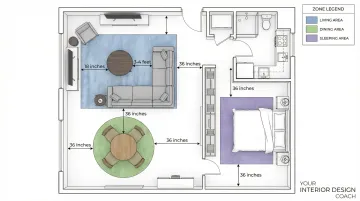
Pulling furniture away from walls creates breathing room, defines purpose zones, and makes small spaces actually feel larger - because the eye reads depth when there's space behind furniture. Follow these spacing guidelines for comfortable, functional layouts:
- Major walkways: 36 inches minimum clearance
- Between sofa and coffee table: 18 inches for comfortable legroom - when this distance is right, you stop bumping your shins and the room starts functioning the way it looks like it should
- Around dining tables: 36 inches from table edge to wall (allows chairs to slide out)
- Between opposing furniture: 3-4 feet for conversation areas
Creating Zones in Open Layouts
This floating technique becomes especially powerful in studio apartments or open-concept rentals, where furniture defines separate areas without walls:
Anchor your living area with an area rug and arrange seating in a U-shape or L-shape facing inward. Position your dining table perpendicular to the living area, using a different rug to distinguish the space. For sleeping areas, place the bed against a wall with the headboard side, then use a bookcase or tall plant as a visual divider from the living area.
Multi-Functional Furniture for Small Spaces
When square footage is limited, every piece should earn its place:
- Storage ottomans: Seating, footrest, and hidden storage
- Sofa beds: Guest accommodations without dedicating a room
- Expandable dining tables: Compact daily, spacious when entertaining
- Nesting tables: Flexible surface area that tucks away when not needed
- Console tables: Room dividers that provide display and storage
Getting Expert Space Planning Help
Struggling with an awkward layout, tight square footage, or making the most of what you already own? Professional space planning helps you see solutions you might have missed.
Your Interior Design Coach offers consultations specifically for renters, working through your layout without requiring new purchases, within budget constraints and lease restrictions to help you solve layout challenges confidently.
Hack #4: Upgrade Lighting with Plug-In and Portable Fixtures
One of the biggest issues I notice in rental spaces is that the lighting is treated as purely functional rather than atmospheric. Most rentals rely on a single overhead fixture placed in the center of the room, which creates flat, uneven lighting and leaves the space feeling harsher and less inviting than it actually is.
In interior design, layered lighting is what gives a room depth and dimension. Instead of relying on one source, I usually recommend combining floor lamps, table lamps, sconces, or plug-in pendants to create softer pools of light throughout the space.
Since replacing hardwired fixtures usually requires landlord permission and electrical work, renters need portable alternatives that deliver similar impact.
Statement Floor and Table Lamps
Plug-in lamps serve as both functional lighting and decorative focal points.
Research shows that proper lighting can make rooms feel more spacious, particularly when walls are illuminated rather than just floor areas.
Lamp selection guidelines:
- Living rooms: Floor lamps 58-64 inches tall positioned in corners or beside seating
- Bedrooms: Table lamps 24-27 inches tall on nightstands, with bases at eye level when seated
- Workspaces: Task lamps with adjustable arms for directional lighting
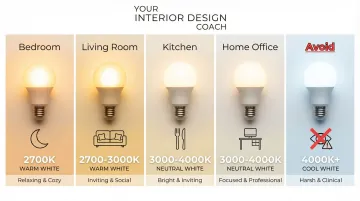
Bulb temperature matters:
- 2700K-3000K (warm white): Living rooms and bedrooms for relaxing ambiance
- 3000K-4000K (neutral white): Kitchens and home offices for task visibility
- 4000K+ (cool white): Avoid in residential spaces, too clinical
Removable Pendant and Chandelier Solutions
Once you've layered in portable lamps, consider adding statement lighting overhead. Plug-in pendant lights with swag hooks create dramatic visual impact without hardwiring.
Install the hook into your ceiling (a tiny hole you can easily spackle when moving), drape the cord decoratively, and plug into a nearby outlet.
High-impact locations:
- Over dining tables (hang 30-36 inches above the surface)
- Bedroom reading nooks (creates cozy, defined space)
- Entryways (makes a statement immediately upon entering)
LED Strip Lighting for Ambiance
Adhesive LED strips add ambient lighting without any installation complexity:
- Under kitchen cabinets to illuminate countertops for task lighting
- Behind TVs to reduce eye strain and create a floating effect
- Along shelves to highlight decor and add depth
- Under beds for a hotel-like floating effect
Keep cords tidy with these techniques:
- Use adhesive cable clips to route cords along baseboards
- Choose LED strips with in-line switches to avoid reaching outlets
- Select warm white (2700K) for living spaces, not the blue-tinted "cool white"
Hack #5: Layer Textiles for Instant Warmth and Personality
Textiles are the fastest, most affordable way to add color, pattern, and texture to rental spaces.
All textile changes are completely reversible and portable to future homes, making them ideal investments for renters.
Strategic Rug Placement
Area rugs define spaces, add warmth, and cover unsightly rental flooring. The key is proper sizing for each room type.
In living rooms, choose rugs large enough that front legs of all seating pieces rest on it, typically 8'x10' for standard spaces or 5'x7' for smaller areas.
For dining areas:
- Extend rug 24 inches beyond table on all sides
- Ensures chairs stay on rug when pulled out
- Match shapes: round rugs with round tables
In bedrooms, extend rugs 18-24 inches beyond the bed's sides and foot, or use two runner rugs along each side.
Curtain and Window Treatment Upgrades
Beyond rugs, window treatments create another textile layer that transforms rental spaces.
Replacing basic blinds with curtains adds softness and visual height. The designer trick: hang curtain rods close to the ceiling (not just above the window frame) and extend them 6-12 inches beyond the window on each side. This makes ceilings appear higher and windows larger.
Curtain length guidelines:
- Panels should just touch or slightly puddle on the floor
- For 8-foot ceilings, use 96-inch panels
- For 9-foot ceilings, use 108-inch panels
Pillow, Throw, and Bedding Combinations
The final textile layer involves smaller accents that tie your color scheme together.
Sofa pillow formula:
- Three-seat sofa: 5 pillows (two 22", two 20", one 18" lumbar)
- Two-seat sofa: 3 pillows (two 20", one 18" lumbar)
- Mix patterns in varying scales: one large print, one medium, one small/solid
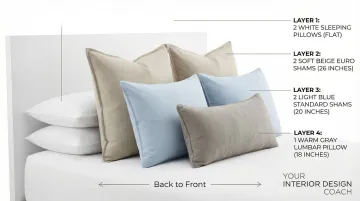
Bed pillow formula:
- Queen bed: 2 sleeping pillows + 2 euro shams (26") + 2 standard shams (20") + 1 lumbar
- Layer from large to small, back to front
When selecting colors for your textile layers, consider how different hues affect mood:
- Blue: Calming, ideal for bedrooms
- Green: Balanced, works in any room
- Yellow: Energizing, best in small doses
- Red/Orange: Stimulating, use as accents only
- Neutral: Provides foundation for accent colors
If you're struggling with textile combinations or unsure which sizes work for your rental layout, YIDC's design coaching helps you make confident decisions that reflect your style while working within rental constraints. If you're still feeling stuck and haven't been able to move things forward, reach out at 408-306-5003 - a free consultation is a low-key way to get some direction and get unstuck.
Hack #6: Swap Hardware for a Custom Look
Hardware replacement requires only a screwdriver but delivers significant visual impact.
This simple DIY upgrade modernizes builder-grade finishes instantly. Just remember to store original hardware in labeled bags for reinstallation when moving out.
Cabinet and Drawer Pull Upgrades
Replacing basic hardware modernizes kitchens and bathrooms dramatically:
- Measure existing hardware (distance between screw holes, called "center-to-center")
- Purchase matching measurements to avoid drilling new holes
- Choose a finish (brushed nickel, matte black, brass, chrome)
- Install with a screwdriver (most hardware uses standard screws)
Cost: $2-$8 per pull/knob. A typical kitchen with 20 pieces costs $40-$160.
Style guidelines:
- Modern/contemporary: Sleek bar pulls in matte black or brushed nickel
- Traditional: Knobs with decorative details in oil-rubbed bronze or brass
- Transitional: Simple cup pulls or edge pulls in mixed metals
Door Hardware and Outlet Covers
Once you've upgraded cabinet hardware, extend that cohesive look to doors and electrical fixtures throughout your rental.
Key replacements:
- Doorknobs: Match the finish to your cabinet hardware for consistency ($15-$40 per door)
- Light switch plates: Replace basic plastic with metal covers in matching finishes ($2-$5 per plate)
- Outlet covers: Upgrade to coordinating metal plates for a polished look ($2-$5 per plate)
Important: Check your lease agreement before making changes. While most landlords allow hardware swaps since you're not damaging anything, some leases require written permission for any modifications.
Hack #7: Add Portable Storage Solutions That Double as Decor
34% of renters cite limited space as a primary frustration, and rental properties often lack adequate closet space and built-in storage. The solution? Portable storage that solves functional problems while adding to your design aesthetic, pieces that move with you from rental to rental.
Freestanding Shelving Units
Bookcases, ladder shelves, and modular storage systems provide function while adding vertical interest:
Bookcases:
- Choose units with adjustable shelves for flexibility
- Style 60% functional (books, storage boxes), 40% decorative (art, plants)
- Use matching baskets on lower shelves to hide clutter
- Place heavy items on lower shelves to lower center of gravity
Ladder shelves:
- Lean against walls without mounting
- Perfect for small spaces, narrow footprint with vertical storage
- Display plants, books, and decorative objects
Securing tall units without drilling: Use furniture straps attached to baseboards with heavy-duty adhesive, or consider tension rods between floor and ceiling for ultra-tall shelving.
Decorative Storage Baskets and Bins
Beyond shelving, contained storage hides clutter while adding to your style:
- Woven baskets: Perfect for boho, coastal, or natural aesthetics
- Sleek bins with lids: Suit modern and minimalist spaces
- Vintage trunks: Add character to eclectic, traditional, or industrial rooms
- Fabric bins: Budget-friendly and come in any color or pattern
Place these containers strategically:
- Under console tables in entryways (shoes, bags)
- On open shelving (corrals small items)
- Under beds (seasonal clothing, extra linens)
- In closets (accessories, small items)
Rolling Carts and Bar Carts
Mobile storage moves between rooms and adapts to changing needs, perfect for renters who rearrange frequently or plan to move. If you're unsure which storage solutions fit your space and lifestyle, an interior design coach can help you make selections that work now and later.
Use rolling carts in multiple ways:
Kitchen: Extra prep surface, small appliance storage, coffee/tea station
Bathroom: Toiletries, towels, styling tools
Home office: Supplies, printer, files
Living room: Bar cart, plant stand, book storage
Bedroom: Nightstand alternative, jewelry organization, morning routine essentials
When to Call a Professional Interior Designer
These renter-friendly updates can make a huge difference, but what I’ve noticed is that people often get stuck at the point where everything starts to feel like a competing decision. You might know the room feels unfinished or uncomfortable, but not whether the issue is the layout, lighting, scale, storage, or simply too many disconnected ideas happening at once. That is usually where outside perspective becomes helpful — not to completely redesign the space, but to help you identify what will create the biggest impact before you spend more money or energy in the wrong direction.
At YIDC, the focus is on helping renters make practical, high-impact decisions within the limitations of the space they already have. Sometimes that means reworking furniture placement so the room flows better, figuring out the right rug size to visually ground the space, improving lighting layers, or deciding which renter-friendly upgrades are actually worth the effort. Over nearly 20 years in interior design, I’ve found that most spaces do not need perfection — they need clarity, balance, and a plan that makes the home feel more intentional and comfortable to live in.
If you’re feeling stuck on where to begin or how to make the space feel more like your own without risking the lease, reach out for a free consultation at 408-306-5003, and we can take it from there.
Your Quick Recap
Renting does not mean living in a space that does not feel like yours. The most impactful changes in this guide cost less than most people spend on a single piece of furniture. What they require is thoughtfulness, not a bigger budget. The key insight is that temporary and reversible does not mean ineffective - it means intentional.
- Removable wallpaper on one accent wall changes how a whole room feels for less than $100
- Furniture placement and floating away from walls costs nothing and transforms the feeling of a room
- Layered lighting with plug-in lamps eliminates the flat, unwelcoming feel of a single ceiling fixture
- Hardware swaps require a screwdriver and $50 and make dated kitchens look current
- Building a portable design identity - furniture and decor you take from rental to rental - is a real long-term strategy (bonus insight)
- Textile investment (rugs, curtains, pillows) delivers the highest visual impact per dollar in any rental (bonus insight)
If you're still feeling stuck and haven't been able to move things forward, let's talk! Reach out for a free consultation at 408-306-5003, and we can take it from there.
Frequently Asked Questions
Can I paint walls in a rental property?
Always check your lease first and get written permission. Some landlords allow painting if you restore the original color before moving out. Removable wallpaper offers a zero-risk alternative with no repainting required.
What are the best removable flooring options for renters?
Peel-and-stick vinyl planks offer the best balance of appearance, durability, and longevity for most renters. Vinyl tiles are more budget-friendly, while carpet tiles provide warmth and sound absorption for bedrooms.
How much should I spend on decorating a rental?
Prioritize portable items you'll take to future homes, furniture, lamps, and textiles. For stays under 3 years, keep 70% of your budget in portable pieces; for longer stays, you can invest up to 40% in semi-permanent upgrades like wallpaper or hardware.
Will my landlord charge me for removable wallpaper damage?
High-quality removable wallpaper shouldn't damage walls when removed properly. Test a small section in a hidden spot first and follow the manufacturer's removal instructions carefully.
How do I make a small rental apartment feel bigger?
Use light colors on walls and large surfaces, hang mirrors across from windows to reflect natural light, and choose furniture with exposed legs to create visual space underneath. Keep window treatments minimal to maximize brightness.
Can I replace light fixtures in my rental apartment?
Hardwired fixture replacement typically requires landlord permission. Plug-in alternatives like swag pendants, floor lamps, and decorative table lamps offer similar impact without permanent changes.