Owning a vacation home is a dream for many. A personal retreat where memories are made and routines fall away? Who doesn't want that! But designing that space well comes with unique challenges that differ significantly from furnishing your primary residence.
Vacation homes usually have to do a few things at once: provide a place to relax, host family or friends, and sometimes serve as a rental.
It's hard to balance personal style against location expectations, choose materials that hold up to heavy use, and create spaces that work for both intimate weekends and large gatherings.
This guide covers the key decisions involved in designing a vacation home, including planning the space around your lifestyle, choosing durable materials, investing in high-impact areas, and deciding whether the home is meant for personal use, rental income, or both. These early decisions shape every design choice that follows.
Your Quick Summary
- Choose commercial-grade materials built for heavy use and minimal maintenance
- Blend location character with personal style; prioritize local authenticity while adding unique touches
- Prioritize budget on kitchen and living spaces (40%), then bedrooms and bathrooms (30%), outdoor areas (20%)
- Professional design significantly increases rental rates and booking frequency over DIY approaches
- Rental properties need performance fabrics, porcelain tile, and quartz countertops, not personal-home materials
Understanding Vacation Home Design Philosophy: Two Approaches
Vacation home design fundamentally differs from that of a primary residence. Your main home prioritizes daily functionality: efficient morning routines, work-from-home spaces, organized storage for everyday life.
Vacation homes prioritize experience, relaxation, and escape. They're about how spaces make you feel - and when that feeling doesn't match the listing, it shows up immediately in reviews.
Approach 1: Location-Driven Design
With location-driven design, I’d suggest you start by looking at what already surrounds the home: the views, the weather, the architecture, and the materials that feel natural to that area.
When this approach works best:
- Rental properties where guests expect regional authenticity
- Homes in iconic vacation destinations with strong design traditions
- Properties where location is the main attraction
Examples by region:
- Coastal homes: Weathered wood, nautical blues and whites, natural textures echoing sand and sea
- Mountain cabins: Rustic wood beams, stone fireplaces, warm earth tones bringing the forest indoors
- Desert properties: Terracotta and turquoise accents, stone and stucco that withstand UV exposure
Approach 2: Personal Style-Driven Design
Your vacation home does not have to follow every expected theme. If a clean, simple beach house helps you relax more than blue stripes and anchor décor, that is still the right direction.
This approach recognizes that vacation homes let you be your "most relaxed self" without daily life constraints.
Your beach house doesn't need anchors and rope accents if sleek minimalism helps you decompress. Your mountain retreat can embrace sophisticated elegance instead of defaulting to rustic lodge aesthetics.
Examples that break location stereotypes:
- Modern minimalist beach house with clean lines and a monochromatic palette
- Eclectic mountain retreat mixing vintage finds with contemporary art
- Sophisticated lake house with urban-inspired finishes and refined furnishings
Blending Both Approaches
The most successful vacation homes blend both approaches seamlessly.
Use this framework: let location inspire 60-70% of design decisions, then inject 30-40% personal character for uniqueness.
Practical blending strategies:
- Choose a location-appropriate palette, then add unexpected accent colors
- Use regional materials like reclaimed wood in contemporary configurations
- Mix local art and craftsmanship with your personal collections
- Respect architectural style in fixed elements, express personality through furnishings
Planning Your Vacation Home Design: Strategic Considerations
Designing a vacation home involves a different kind of planning than designing a primary residence. The space needs to support how the home will actually be used, whether that means occasional family getaways, year-round living, short-term rentals, or a mix of everything.
Follow these steps to create a vacation home that feels functional, comfortable, and aligned with how the space will actually be used.
Defining Your Vacation Home's Purpose
Your vacation home's primary purpose affects every design decision that follows.
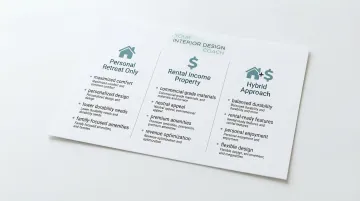
Three primary use models guide your planning:
- Personal retreat only - Maximizes comfort for your family with highly personalized design choices and lower durability requirements
- Rental income property - Requires commercial-grade materials, neutral appeal, and amenities that justify premium rates - getting this clarity early means every material choice you make serves the property's actual goal instead of having to be undone later
- Hybrid approach - Balances personal enjoyment with rental-ready features and durable finishes
The U.S. short-term rental sector generated approximately $33 billion in revenue in 2022, projected to reach $72.5 billion by 2030.
Design quality directly impacts performance. Professionally designed properties can achieve up to 40% higher revenue compared to average listings.
Understanding Your Target Users
For personal use, identify:
- How many people typically visit
- Activity focus (quiet retreats, active adventures, entertaining)
- Age range of users (young children, teenagers, elderly parents)
- Special needs (accessibility, pet-friendly features)
For rentals, define your target demographics:
- Families: Need durable furnishings, ample seating, fully-equipped kitchens, and gear storage
- Couples: Prioritize romantic ambiance, quality bedding, spa-like bathrooms, and intimate dining
- Remote workers: Require dedicated workspace, ergonomic seating, strong Wi-Fi, and good lighting
- Luxury seekers: Expect premium materials, hotel-quality linens, high-end appliances, and upscale finishes
Target users directly influence bedroom count, bathroom design, kitchen functionality, and amenity selection.
Setting a Realistic Budget and Priorities
Once you understand who'll use the space, budget allocation becomes clearer.
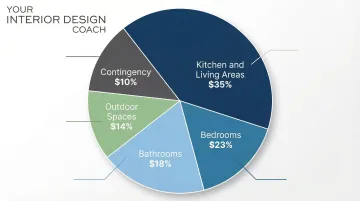
Budget allocation framework for vacation homes:
- Kitchen and living areas: 30-40%
- Bedrooms: 20-25%
- Bathrooms: 15-20%
- Outdoor spaces: 15-20%
- Contingency: 10%
The investment hierarchy shows which rooms generate the most value:
- Kitchen (highest ROI) - The most-used space for family meals and entertaining
- Primary living spaces - Where guests spend waking hours
- Outdoor living areas - Often the "star" of vacation homes; can increase nightly rates by 8-12%
- Primary bedroom and bathroom - Quality sleep drives satisfaction
- Secondary bedrooms - Adequate comfort without luxury finishes
2024 renovation data shows kitchens command 29% of renovation budgets and bathrooms 25-27%, reflecting their impact on property value.
For short-term rentals, the average furnishing cost was $18,400 in 2025, with bedroom quality delivering the highest ROI impact relative to cost.
A $1,500 performance fabric sofa lasting 3-5 years costs less than replacing a $600 residential sofa annually - and avoids the negative review from a guest whose experience was diminished by worn, stained seating.
Climate and Seasonal Considerations
Local climate dictates material selection, furniture choices, and design features.
Climate-specific material requirements:
- Coastal/humid climates: Moisture-resistant woods, corrosion-resistant metals tested via ASTM B117 salt spray standards, mildew-resistant fabrics, outdoor furniture with marine-grade finishes
- Mountain/freeze-thaw environments: Materials resistant to temperature cycling, heated flooring in entries, adequate insulation, stone and tile rated for frost resistance
- Desert/high-UV areas: Finishes meeting AAMA 2604/2605 standards (withstanding 5-10 years of sun exposure with minimal fading), heat-tolerant materials, UV-resistant window treatments
Your usage pattern affects system requirements:
Year-round vs. seasonal use considerations:
- Year-round homes need full HVAC systems, winterized plumbing, all-season access
- Seasonal homes can use simpler systems but require proper winterization protocols
- Consider maintenance accessibility during off-seasons
Navigating Local Style and Regulations
Before finalizing design plans, research local requirements:
- HOA architectural requirements and approval processes
- Local building codes and coastal/environmental regulations
- Historic district guidelines if applicable
- Permit requirements for structural or exterior changes
Respecting local architectural style while adding personal touches creates homes that feel authentic to their setting.
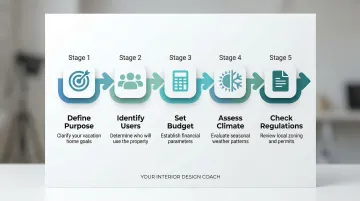
This is where I’d recommend checking the requirements before the design is too far along. It is much easier to adjust early than to fall in love with an idea that will not get approved.
Room-by-Room Design Guide: Creating Functional and Beautiful Spaces
Vacation homes have different priorities than primary residences for each space. This section addresses what actually matters in each room.
Living Areas: The Heart of Your Vacation Home
Living areas should seat your maximum guest count, not your typical occupancy. If your home sleeps 8, plan seating for 8-10 people.
Whether you're designing a personal retreat or a vacation rental, the living space sets the tone for the entire property. In my experience, planning for actual use patterns (not idealized scenarios) makes the biggest difference. If you’re stuck on how much seating the living area really needs or how to arrange it without crowding the room, I can help you think through the layout before you start buying pieces. Call 408-306-5003 for a free consultation.
Essential features:
- Durable, cleanable upholstery: Performance fabrics meeting ACT guidelines (30,000+ double rubs), leather, or slipcovers that can be laundered between guests - choosing the right fabric from the start means you stop replacing furniture every year and start protecting your investment
- Flexible seating arrangements: Mix sofas with movable chairs and ottomans
- Multi-functional furniture: Storage ottomans, nesting tables, extendable dining tables
- Indoor-outdoor flow: Large doors, consistent flooring transitions, furniture arrangements that don't block views
Skip delicate fabrics, white upholstery in high-traffic areas, and fixed furniture layouts that accommodate only small groups. These choices limit your space's versatility and create maintenance headaches.
Kitchens: Balancing Functionality and Experience
Vacation home kitchens typically see the most action. Family meals, entertaining, and cooking as leisure activities all happen here.
Essential appliances and features:
- Large-capacity refrigerator (minimum 20 cubic feet for homes sleeping 6+)
- Quality range with at least 4 burners
- Dishwasher (non-negotiable for rentals)
- Ample counter space for multiple cooks
- Sufficient cabinet storage
- Quality coffee maker (frequently mentioned in positive reviews)
Material selection for durability:
- Quartz countertops over marble for stain resistance and low maintenance
- Porcelain or ceramic tile backsplashes that clean easily with properly sealed grout
- Cabinet finishes that withstand humidity (avoid raw wood in coastal areas)
- Porcelain tile or engineered hardwood flooring
Stock kitchens fully for rentals. Include quality cookware, sharp knives, dishware for maximum occupancy, and basic pantry staples. Organizational systems like drawer dividers and labeled cabinets help guests find what they need quickly.
Bedrooms: Creating Restful Retreats
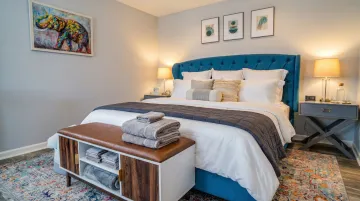
Sleep quality drives guest satisfaction. Research shows that uncomfortable bedding and pillows are top predictors of poor sleep, which strongly predicts overall satisfaction.
Non-negotiable bedroom features:
- Quality mattresses: Mid-range to premium, replaced every 7-10 years
- Hotel-quality bedding: High thread count sheets, multiple pillow options, layered bedding for temperature control
- Bedside lighting: Reading lights on both sides of beds
- Charging stations: Outlets or USB ports within reach
- Luggage storage: Benches, racks, or clear floor space
- Mirrors outside bathrooms: Full-length mirrors in bedrooms
Better to have fewer, larger bedrooms than many tiny ones. A comfortable queen or king bedroom beats a cramped space with bunk beds.
For rentals, bedroom quality delivers the highest ROI impact: king beds, blackout curtains, and quality linens justify premium rates.
Bathrooms: Durability Meets Spa-Like Comfort
Vacation home bathrooms face high-traffic, high-moisture challenges. They need commercial-grade durability with residential comfort.
Durable material specifications:
- Tile: Porcelain tile with ≤0.5% water absorption (ANSI A137.1 standard) prevents moisture damage better than ceramic or natural stone
- Countertops: Quartz (non-porous, stain-resistant)
- Fixtures: Quality faucets and hardware that withstand hard water
- Ventilation: Powerful exhaust fans to manage moisture
Bathroom count ROI: Homes sleeping 6+ should have minimum 2 full bathrooms. The bathroom-to-bedroom ratio significantly impacts rental appeal and resale value.
Spa-like amenities without high maintenance:
- Rainfall showerheads
- Handheld shower wands
- Deep soaking tubs (if space allows)
- Heated floors (especially in mountain properties)
- Adequate storage for toiletries
Outdoor Living Spaces: Extending Your Living Area
Outdoor spaces are often the "star" of vacation homes and deserve significant design attention. Properties with quality outdoor areas see measurable performance lifts: outdoor amenities can increase ADR by 8-12%.
Essential outdoor features:
- Comfortable seating for all guests (not just 4 chairs for a home sleeping 8)
- Dining area with table accommodating full occupancy
- Shade solutions (umbrellas, pergolas, covered patios)
- Outdoor lighting for evening use
- Weather-resistant storage
Material durability for outdoor furniture:
- Frames: Aluminum or powder-coated steel meeting AAMA 2604/2605 standards
- Wicker: All-weather synthetic resin wicker, not natural
- Fabrics: Solution-dyed acrylic (Sunbrella) or marine-grade vinyl
- Cushions: Quick-dry foam, removable/washable covers
Location-specific outdoor needs:
- Mountain properties: Fire pits, outdoor heaters, covered spaces for rain
- Beach properties: Outdoor showers, sandy-gear storage, corrosion-resistant materials
- Sunny climates: Extensive shade structures, UV-resistant everything, cooling features
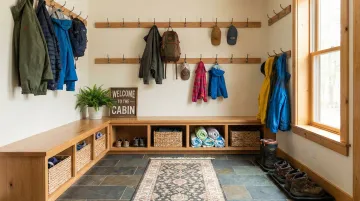
Mudrooms and Entry Spaces: First Impressions and Functionality
Dedicated entry spaces manage vacation home "gear" (beach equipment, ski gear, hiking boots) and set the tone for the entire property.
Practical mudroom features:
- Hooks at multiple heights (adults and children)
- Bench seating for removing shoes/boots
- Waterproof flooring (tile, luxury vinyl)
- Storage for seasonal items (baskets, cubbies, closets)
- Drying area for wet items
Entry spaces create memorable first impressions. Consider welcoming elements: good lighting, fresh paint, a console table with local information, artwork that previews the home's style.
Material Selection and Durability: Designing for Longevity
The materials you choose in a vacation home affect far more than just the overall look of the space. They influence how often things need to be repaired, how well the home holds up over time, how easy it is to maintain between stays, and even how comfortable the space feels after years of use.
Choosing Vacation-Proof Materials
Vacation homes require MORE durable materials than primary residences due to inconsistent maintenance, varying users, and environmental exposure.
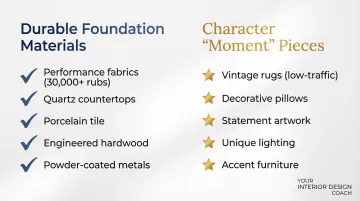
Specific material recommendations:
- Flooring: Engineered hardwood over solid wood (better moisture stability), porcelain tile over natural stone (lower maintenance)
- Countertops: Quartz over marble (stain-resistant, no sealing required)
- Upholstery: Performance fabrics over delicate textiles, leather over linen
- Cabinetry: Thermofoil or painted finishes over stained wood in humid climates
- Window treatments: Faux wood blinds over real wood, outdoor-rated fabrics for sun exposure
Low-quality materials in vacation homes create higher replacement costs, maintenance headaches, and negative guest reviews for rentals. Analysis shows that standard residential furniture often fails within a year under rental conditions, while commercial-grade pieces last 3-5 years.
Fabric durability standards:
Commercial-grade fabrics are tested via the Wyzenbeek method:
- Medium commercial use: 30,000 double rubs (suitable for vacation home seating)
- Heavy commercial use: 100,000+ double rubs (high-traffic areas)
- Performance brands: Crypton fabrics resist stains, odors, and moisture while meeting ACT guidelines
Climate-Specific Material Considerations
Your location determines which materials will hold up best over time. Coastal environments demand specific choices:
- Metals must resist salt spray corrosion (stainless steel, powder-coated aluminum)
- Woods should be naturally rot-resistant (teak, cedar) or composite materials
- Fabrics need mildew resistance
- Hardware requires marine-grade specifications
Mountain and cold climate properties face different challenges:
- Materials must withstand freeze-thaw cycles
- Tile and stone need frost-resistance ratings
- Exterior finishes should prevent ice damming
- Heating systems in floors prevent cold shock
Desert locations with high UV exposure require:
- Finishes must resist fading and chalking
- Materials should handle extreme temperature swings
- UV-resistant window films protect interiors
- Light-colored materials reflect heat
Materials to avoid by climate:
- Coastal: Untreated iron, solid wood flooring, natural fiber rugs
- Mountain: Non-frost-rated tile, inadequate insulation, single-pane windows
- Desert: Dark exterior colors, materials that expand/contract significantly, inadequate sun protection
Balancing Durability with Aesthetics
Durable materials don't have to look institutional. You can create beautiful, welcoming spaces with materials that stand up to heavy use.
Beautiful, durable combinations include:
- Performance velvet in rich jewel tones (looks luxurious, cleans easily)
- Large-format porcelain tile mimicking marble or wood
- Leather sofas in sophisticated colors
- Quartz countertops with dramatic veining
- Engineered hardwood in wide planks
You can incorporate delicate "moment" pieces while keeping the foundation durable. Consider adding:
- A vintage rug in a low-traffic area
- Decorative pillows that can be easily replaced
- Artwork that adds personality
- Statement lighting fixtures
These elements add character without compromising the durability of your core materials.
Common Vacation Home Design Mistakes to Avoid
Over-Theming and Cliché Decor
What I usually watch for is when the theme starts doing too much. A few location references can make a home feel grounded, but too many can make it feel staged or dated very quickly. Excessive nautical themes in beach houses (anchors, rope, "BEACH" signs everywhere), overdone rustic elements in cabins (antler chandeliers, bear sculptures), or cliché desert motifs feel cartoonish.
The "suggestion" approach works better:
- Subtle nods to location rather than hitting guests over the head
- One or two statement pieces referencing the setting
- Color palettes inspired by the environment
- Local art and craftsmanship instead of mass-produced theme decor
Tasteful vs. cliché examples:
- Tasteful coastal: Weathered wood accent wall, blue-gray palette, organic textures, seagrass rug
- Cliché coastal: Anchor-print everything, "Life's a Beach" signs, seashell collections, rope-wrapped everything
Prioritizing Aesthetics Over Functionality
Common functionality mistakes hurt the guest experience and generate negative reviews:
- Insufficient seating for maximum occupancy
- Inadequate storage (guests living out of suitcases)
- Impractical furniture for the climate (velvet in humid areas, white linen with kids)
- Beautiful but uncomfortable seating
- Insufficient lighting in task areas
Before finalizing design decisions, mentally "live in" the space. Walk through typical scenarios: family dinner for 8, morning coffee routine, rainy day with children, evening entertaining. This exercise reveals functional gaps before guests do - and for rentals, poor functionality directly affects reviews and repeat bookings because guests evaluate comfort and usability over pure aesthetics.
Neglecting Maintenance Accessibility
Vacation homes, especially remote properties or rentals, require design choices that make maintenance easier. The right material and layout decisions prevent costly repairs and simplify upkeep between guest stays.
Design for easy maintenance:
- High-maintenance materials like natural stone needing frequent sealing or solid wood in humid climates create ongoing headaches
- Adequate storage for cleaning supplies keeps turnover efficient
- Finishes that hide minor wear (medium-toned floors, patterned fabrics) maintain appearance longer
- Minimal decorative items mean faster cleaning between guests
- Clear access to HVAC, plumbing, and electrical systems saves time and money on repairs
These practical considerations often get overlooked during the design phase. Working with an interior design coach helps identify maintenance pitfalls before they become expensive problems, ensuring your vacation home balances beauty with realistic upkeep demands. If you’re stuck choosing between materials and don’t want to make an expensive mistake, I can help you think through what will hold up, what is worth spending on, and what may become hard to maintain later. Reach out for a free consultation at 408-306-5003, and we can take it from there.
Working with a Design Professional for Your Vacation Home
Designing a vacation home often involves more moving parts than a primary residence, especially when decisions are made remotely, or the space needs to balance comfort, durability, maintenance, and potential rental use at once.
As layouts, materials, budgets, and timelines begin to overlap, professional guidance can help simplify the process, prevent costly mistakes, and create a more cohesive plan from the beginning.
When to Hire a Designer vs. DIY
Professional help is most valuable for:
- Remote properties where you can't easily shop locally or oversee work
- Rental properties where design directly impacts revenue
- Significant renovations requiring space planning and contractor coordination
- Feeling overwhelmed by choices and needing expert guidance
ROI of professional design for vacation homes:
Data shows that professionally designed properties outperform DIY:
- Daily rates increase by 30% on average
- Occupancy rises by 20 percentage points
- Investment pays back in around 11 months
- 78% of professional projects outperformed DIY financially within the first year
If you do not need full-service design but still feel stuck on layout, materials, furniture scale, or what to spend on first, I can help you work through those decisions. Reach out for a free consultation at 408-306-5003, and we can take it from there.
What to Look for in a Vacation Home Designer
Once you've decided to bring in professional help, look for these qualifications:
- Experience with vacation/rental properties (understanding durability needs and rental market expectations)
- Familiarity with your vacation home's location and local suppliers
- Knowledge of climate-specific material requirements
- Understanding of how design impacts rental performance (if applicable)
Designers typically offer one of three service models:
- Full-service design: Complete project management from concept through installation
- Design coaching: Guidance on specific decisions, material selection, space planning
- Virtual design services: Remote consultations for out-of-area properties
Location-specific expertise matters. Designers familiar with your vacation home area navigate local regulations, know reliable contractors, and understand what buyers or renters expect in that market.
For vacation homeowners juggling design decisions remotely, YIDC's coaching model provides targeted guidance, whether you need space planning support, material recommendations, or help articulating your vision to contractors.
Maximizing Your Design Investment
Working effectively with a designer:
- Be upfront about budget, intended use, and priorities from day one
- Come prepared: Share photos, measurements, inspiration images, and your list of concerns
- Clarify who makes final decisions and how approvals work
- Trust the process: Your designer spots pitfalls you might overlook
Prepare for design consultations with:
- Property photos and measurements
- Inspiration images (Pinterest boards, magazine clippings)
- Budget parameters and flexibility
- List of must-haves vs. nice-to-haves
- Timeline and any constraints
The best outcomes blend designer expertise with your personal vision. This collaboration ensures your vacation home reflects both professional insight and your unique goals.
Your Quick Recap
Vacation home design fails most often when owners design for themselves rather than for the experience they want guests or family to have. The best properties blend location authenticity with personal style - and they do it through materials and layouts that can actually survive heavy use. Beautiful and durable are not opposites; they just require more deliberate choices.
- Performance materials are not a compromise - they let you have the look you want without the maintenance cost
- Outdoor spaces command a pricing premium that often exceeds what an interior upgrade would deliver
- Over-theming is the most common mistake - one or two strong location references outperform a full coastal theme
- The kitchen and primary bedroom drive your ROI the hardest; start your budget allocation there
- Climate-specific material choices are not optional - they are what make the investment last 10 years instead of 3 (bonus insight)
- For rental properties, bedroom quality directly affects review scores more than any other room (bonus insight)
If you're still feeling stuck and haven't been able to move things forward, let's talk! Reach out for a free consultation at 408-306-5003, and we can take it from there.
Frequently Asked Questions
How is designing a vacation home different from designing a primary residence?
Vacation homes need commercial-grade durability for multiple users and inconsistent maintenance, prioritize creating memorable experiences over daily functionality, and must balance personal taste with location appeal.
What rooms should I prioritize in my vacation home design budget?
Allocate 40% to kitchen and living areas, 30% to primary bedroom and bathrooms, 20% to outdoor spaces, and 10% to secondary rooms. This split maximizes guest experience and rental performance.
Should I hire an interior designer for my vacation home?
Professional help is most valuable for remote properties, rental properties where design impacts revenue, significant renovations, or when you're feeling overwhelmed. YIDC's design coaching offers a middle-ground option: expert guidance on specific decisions without full-service costs. Data shows professionally designed rentals achieve 30% higher rates and 20% better occupancy than DIY properties.
What furniture and materials are most durable for vacation homes?
Choose performance fabrics (30,000+ double rubs), leather upholstery, quartz countertops, porcelain tile, engineered hardwood, and powder-coated aluminum outdoor furniture. These withstand the inconsistent maintenance and higher wear typical of vacation properties.
How do I design a vacation home that appeals to both my family and potential renters?
Focus on timeless, comfortable design reflecting the location rather than a highly personal style. Invest in quality and durability. Avoid polarizing color schemes or overly specific décor. Ensure adequate sleeping capacity and gathering spaces. Balance creates homes your family loves that also photograph well and appeal to broad renter demographics.
What are the biggest design mistakes people make with vacation homes?
Top mistakes include choosing impractical materials, over-theming with cliché décor, providing insufficient seating or storage for occupancy, and neglecting outdoor spaces or maintenance accessibility.