Quality tenants actively look for well-maintained, thoughtfully designed spaces that feel like home. The financial impact is measurable: interior aesthetics account for 16.7% of the variation in residential rents, and when renters are satisfied with the property's condition, they're three times more likely to renew their leases - directly reducing the average turnover cost of $3,782 per unit.
This article covers five practical design strategies that balance aesthetics with durability to attract discerning renters willing to pay premium rates and stay longer.
Your Quick Summary
- Neutral palettes with accent walls appeal broadly and enable personalization
- Quality materials reduce maintenance costs without sacrificing appeal
- Flexible spaces accommodating work-from-home needs move faster in today's rental market
- Smart storage solutions directly impact tenant satisfaction and renewal decisions
Tip 1: Prioritize Neutral Palettes with Strategic Pops of Color
Neutral walls create a blank canvas that appeals to the widest range of tenants while allowing them to picture their belongings in the space.
Soft grays, warm beiges, and crisp whites serve as versatile backdrops that won't limit your tenant pool or require repainting between leases.
Rental listings with fresh paint receive 14% more saves and 17% more shares per day, demonstrating that even simple color updates significantly impact marketability. Choose colors that photograph well and feel current without being trendy.
Strategic ways to add personality without overwhelming:
- Accent walls in muted tones (navy, sage green, charcoal) in living rooms or bedrooms - a single well-placed accent wall gives prospective tenants something to respond to, without narrowing who can picture themselves living there
- Colorful cabinet hardware or faucet finishes that can be easily changed
- Statement light fixtures that add character without permanent commitment
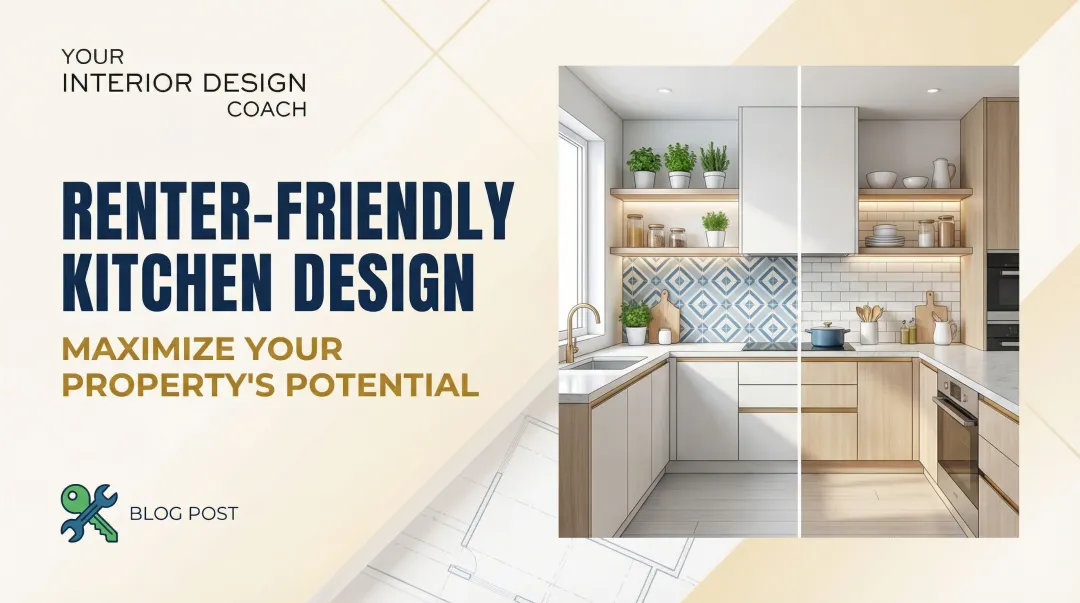
- Tile backsplashes in kitchens or bathrooms using classic patterns
Once you've selected your palette, paint quality matters for longevity. Use satin or semi-gloss finishes in high-traffic areas like kitchens, bathrooms, and hallways. These finishes resist stains and clean more easily than flat paint, reducing maintenance calls.
Most landlords repaint every 3-5 years, but quality paint and durable finishes can extend this timeline. If you're unsure about color selection or finish choices for your rental property, YIDC helps property owners make confident design decisions that balance appeal with practicality. If you're stuck on which palette will work best and haven't been able to move things forward, call 408-306-5003 for a free consultation - getting the right guidance early prevents costly repaints down the road.
Remember: neutral doesn't mean boring. The goal is creating a sophisticated, move-in-ready space that feels intentional rather than generic, allowing quality tenants to imagine making it their own.
Tip 2: Choose Durable, Quality Materials That Look Good and Last
Why Durability Matters in Rental Properties
Rental properties experience significantly higher wear than owner-occupied homes due to tenant turnover and varying care standards.
Investing in quality materials upfront reduces long-term maintenance costs, minimizes downtime between tenants, and signals to prospective renters that the property is well-maintained.
Flooring That Stands the Test of Time
Flooring choice directly affects both aesthetics and maintenance costs. Luxury vinyl plank (LVP) costs approximately $4,500 total over 10 years for 1,000 square feet versus $6,000 for carpet, and generates 25-30% fewer maintenance calls because it resists staining, doesn't absorb odors, and cleans easily between tenants.
Rental flooring comparison:
| Flooring Type | Lifespan | Water Resistance | Best For |
|---|---|---|---|
| Luxury Vinyl Plank | 10-20 years | Waterproof | Entire property, especially kitchens/baths |
| Porcelain/Ceramic Tile | 20+ years | Waterproof | High-traffic areas, bathrooms, entryways |
| Laminate | 10-20 years | Water-resistant | Bedrooms, living areas (avoid moisture-prone spaces) |
| Carpet | 3-5 years | Poor | Avoid in rentals due to staining and odor retention |
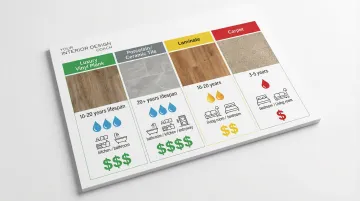
LVP offers the best balance of durability, aesthetics, and cost-effectiveness. It mimics hardwood beautifully while withstanding moving furniture and pet traffic without showing wear.
Countertops and Surfaces
Quartz countertops last 25-30 years compared to laminate's 10-15 years. The upfront investment pays off through superior resistance to stains, heat damage, and bacterial growth, all without requiring sealing.
Laminate struggles with moisture penetration at seams and heat damage, often requiring complete replacement rather than repair.
Quality surfaces signal to prospective tenants that you maintain the property well, attracting renters who will treat it with equal care. This perception allows you to command higher rents and attract more responsible tenants.
Paint and Finishes
Beyond color selection, paint quality affects maintenance frequency. Best finishes for rental properties:
- Semi-gloss or satin in kitchens, bathrooms, and hallways: allows spot cleaning without marks
- Quality paint brands with strong coverage ratings: two coats outlast three coats of budget paint
- Extended repaint cycles: durable finishes reduce turnover labor costs
Hardware and Fixtures
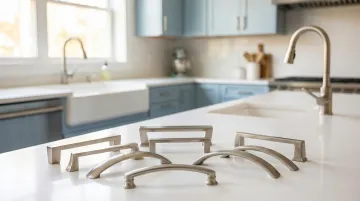
Cabinet hardware, door handles, and faucets in solid metal finishes won't tarnish, chip, or break like cheaper alternatives. These small upgrades cost under $500 for an average property yet elevate the entire space.
Metal fixtures matter more than you'd think:
- Replace builder-grade plastic with substantial metal alternatives
- Choose finishes like brushed nickel, matte black, or oil-rubbed bronze
- Tenants notice these details during showings; they communicate quality investment throughout the property
Tip 3: Create Functional, Flexible Spaces That Accommodate Different Lifestyles
Open Floor Plans and Flow
Open-concept living areas make spaces feel larger and more inviting, appealing to modern renters who prioritize connection between kitchen, dining, and living spaces.
Improving traffic flow matters regardless of layout. Avoid cramped entryways or furniture arrangements that make rooms feel smaller than they are.
Consider removing non-structural walls between kitchens and living rooms during renovations, or simply arrange furniture to create natural pathways and conversation areas that don't obstruct movement.
Multi-Purpose Rooms
56% of apartment renters work from home, with 71% working remotely several days per week. Dedicated office space has shifted from luxury to necessity - properties without it are being filtered out by a majority of prospective tenants before a showing even happens.
Design spare bedrooms or nooks as flexible spaces:
- Add a closet system and desk area to market as "home office or nursery"
- Install good lighting and multiple outlets for tech equipment
- Include built-in shelving that works for books, supplies, or decor
- Avoid labeling rooms too specifically in listings; let tenants envision their needs
Apartments with dens or studies move faster than standard layouts because they accommodate the work-from-home reality.
A well-designed alcove with a desk and task lighting adds significant value.
Smart Furniture Choices
If furnishing the property (for short-term rentals or furnished leases), choose modular, durable pieces that tenants can rearrange. Built-in storage solutions like closet systems or shelving provide functionality without limiting how tenants use the space.
For unfurnished rentals, focus on maximizing usable square footage by removing bulky, unnecessary furniture and ensuring closets have organizational systems that showcase storage capacity.
Lighting for Function and Mood
Beyond furniture, lighting transforms how spaces feel and function.
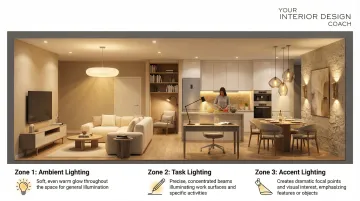
Layer three types: ambient (overhead fixtures), task (under-cabinet, reading lamps), and accent (statement fixtures). This combination makes rooms feel larger, more welcoming, and functional for different activities.
Replace outdated light fixtures with modern alternatives. Good lighting costs relatively little but dramatically improves how spaces photograph and feel during showings.
Outdoor Living Spaces
Private outdoor space is a significant retention factor: 56% of tenured renters cite it as a reason they stayed in their current rental. Even small balconies or patios add value when designed thoughtfully.
Maximize outdoor appeal:
- Add weather-resistant furniture or built-in seating
- Install low-maintenance landscaping or container gardens
- Ensure proper lighting for evening use
- Create privacy with screens, plants, or strategic placement
Quality outdoor spaces justify higher rents and reduce turnover by giving tenants additional living area they genuinely use and appreciate.
Tip 4: Invest in Smart Storage Solutions to Help Tenants Stay Organized
Storage ranks among top priorities for renters, yet it's frequently overlooked during renovations. 76% of apartment residents report needing more storage, with kitchens (48%) and bedroom closets (45%) identified as the most critical areas.
High-Impact Storage Upgrades
Focus on these proven upgrades:
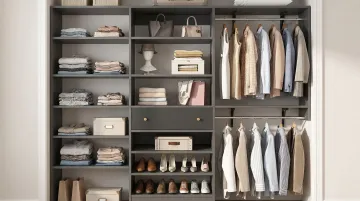
- Install closet organizers with adjustable shelving and double hang rods
- Add pull-out shelving or lazy Susans in kitchen cabinets - when tenants can find and reach things without unpacking half a cabinet, the kitchen stops being a daily source of frustration
- Include pantry organization systems with clear zones
- Mount bathroom shelving or medicine cabinets with interior storage
- Provide hall closets with built-in shelving rather than single rods
These upgrades cost $500-$2,000 per property but directly impact daily living experience and tenant satisfaction. Quality tenants prioritize functional storage and will pay more for properties that solve this common pain point.
Marketing Your Storage Solutions
Beyond the functional benefits, storage improvements photograph well in listings. This gives you concrete features to highlight that differentiate your property from competitors.
If you're uncertain about the best storage configuration for your space, working with an interior design professional can help you make the most of your layout while staying within budget. YIDC specializes in helping property owners create layouts that work well for rental appeal.
Tip 5: Balance Style with Practicality - When to Call in a Professional
Avoid Over-Personalizing
Resist the temptation to theme rooms or add highly personal touches like bold wallpaper, family photos, or niche collections. These elements make it difficult for prospective tenants to picture themselves in the space.
Instead, create a "blank canvas with personality": stylish and well-appointed but neutral enough for broad appeal. Aim for the feel of a boutique hotel rather than a personal residence.
Timeless Over Trendy
Once you've established a neutral foundation, focus on longevity. Choose classic design elements that won't date quickly.
Subway tile, shaker cabinets, and simple light fixtures remain appealing across decades, while overly trendy styles (ultra-rustic farmhouse, industrial warehouse) can limit your tenant pool or require expensive updates sooner.
Safe, timeless choices:
- White or gray subway tile backsplashes
- Shaker-style cabinet doors in neutral colors
- Simple pendant lights or flush-mount fixtures
- Hardwood-look flooring in medium tones
- Brushed nickel or matte black hardware
The ROI of Professional Design Help
Professional design consultation makes sense for major renovations, when struggling to attract quality tenants, or when you're unsure which improvements will deliver the best return on investment.
Services like Your Interior Design Coach help landlords, real estate agents, and property owners make confident design decisions for their rental properties. With almost 20 years of experience, YIDC specializes in creative problem-solving for rental properties, helping clients get unstuck while increasing their confidence in the design process, particularly valuable when budget constraints require strategic choices. If you've been feeling stuck on your rental design decisions and haven't been able to move things forward, reach out at 408-306-5003 - a free consultation can help you get unstuck and take a clear next step.
Professional guidance is particularly helpful when:
- Planning renovations with limited budgets
- Staging properties for listing photos
- Competing with other rentals in your market
- Deciding which upgrades to prioritize
Local Market Considerations
Whether working with a professional or going solo, understanding your local market is essential. Design expectations vary significantly by market: upscale urban rentals require different finishes than family-friendly suburban homes or vacation properties.
Research competing rentals at your target price point to understand what features tenants expect.
Visit open houses, browse rental listings, and note which properties rent quickly. Pay attention to finishes, layouts, and amenities that appear consistently in successful rentals.
Photography and Marketing
Even perfectly designed rentals won't attract tenants without quality photos. Listings with 3D tours attract 87% more views and generate 49% more qualified leads, while 50% of renters consider photos essential when deciding which homes to visit.
Invest in professional photography or staging to showcase your property online. Quality images are your first impression and directly impact inquiry volume and tenant quality. Good photos pay for themselves by reducing vacancy periods and attracting better applicants.
Your Quick Recap
Quality tenants are not just looking for a place to live - they are evaluating whether the landlord cares. The condition and thoughtfulness of a rental signals maintenance responsiveness, lease enforcement quality, and the kind of neighbor you will be over time. Design is a first impression, but it is also a long-term promise.
- Neutral colors and quality materials signal care and attract tenants who will reciprocate it
- Storage is consistently underestimated by landlords and overvalued by tenants - invest there
- Functional, flexible spaces move faster in the current market where remote work is standard
- Photos sell the listing; the first in-person impression closes it or kills it - both matter equally
- The highest-ROI upgrades for rentals are almost always in the kitchen and primary bedroom (bonus insight)
- Timeless design choices reduce your update frequency and protect your investment longer (bonus insight)
If you're still feeling stuck and haven't been able to move things forward, let's talk! Reach out for a free consultation at 408-306-5003, and we can take it from there.
Frequently Asked Questions
What design features do quality tenants look for most?
Quality tenants prioritize updated kitchens and bathrooms, ample storage, and functional layouts with neutral-but-stylish finishes. They want well-maintained spaces they can personalize without major limitations.
How much should I budget for rental property design improvements?
Budget 5-10% of property value for major updates or $2,000-$5,000 for cosmetic refreshes like paint, hardware, and fixtures. Focus on improvements delivering ROI through higher rents and lower vacancy.
Should I always use neutral colors in rental properties?
Neutral bases are safest for broad appeal, but strategic accent colors (accent walls, colorful tile) can add personality without limiting your tenant pool. Avoid bold colors on all walls or in permanent fixtures like countertops.
What furniture or decor should I avoid in rental properties?
Avoid overly personal items, fragile decor, white or light-colored upholstery, and anything high-maintenance or easily damaged. Choose durable, timeless pieces that withstand wear and appeal to various tastes.
How can good design reduce tenant turnover?
Well-designed, functional spaces make tenants happier and more likely to renew leases. Properties with good storage, flexible layouts, and quality finishes create positive daily experiences that encourage long-term stays, reducing costly turnover.
Is it worth hiring an interior designer for a rental property?
Professional help makes sense for major renovations, when struggling to rent, or when maximizing ROI. Services like YIDC help property owners make confident decisions that increase rental value without overspending.