What I've mainly noticed is that the problem is rarely a lack of storage. It's that the storage doesn't match the routine. Something might look great, but if it doesn't fit how the space is used every day, it gets ignored, and the clutter comes right back.
Now, what I love about organizing projects with my clients is that we make the space work for how it's actually used while keeping in mind how to make it look good too. It's always possible to have both, and that balance is usually what makes the difference between a system that lasts and one that gets abandoned after a few weeks.
The right system changes that. Not just organized once, but set up in a way that's easy to maintain without having to constantly change it. That's what this list is built around.
Key Takeaways
- Organizing only holds when it's easy to put things back. If there's no clear place to return an item, it will always end up on the nearest surface instead.
- More storage doesn't fix clutter. When space isn't defined, it quietly fills up again, which is why having limits matters more than adding extra containers.
- Some product types solve very specific problems. Clear containers keep items visible so they don't get forgotten, while dividers and labeled bins create structure so things don't mix or drift out of place.
- Anything that adds effort typically won't last. If putting something away requires extra steps, it slowly stops happening, and the system breaks down.
- A system should hold without constant fixing. If it shifts, overfills, or needs to be reset often, it's not supporting the space and your needs properly.
Why Investing in Quality Organizing Products Matters
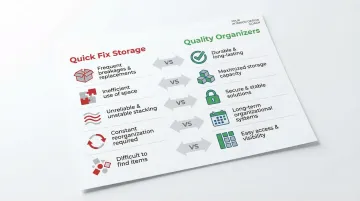
Temporary solutions fail gradually. Cardboard boxes collapse, mismatched containers waste space because they don't stack properly, and flimsy dividers shift every time a drawer is opened. Each small failure adds a little frustration to your day, and over time, that compounds.
The effect on your mental well-being is measurable, even when it comes to an organized home:
- People who describe their homes as cluttered show higher cortisol levels throughout the day, indicating chronic stress patterns.
- Research indicates that chaotic environments strain the brain's executive functions, making it harder to prioritize, make decisions, and regulate attention effectively.
This is where quality organizing systems come in, not just as storage, but also as a way to reduce that constant mental load. The way I approach it with clients is to look at what's getting lost, what keeps piling up, and what's taking more effort than it should, then adjust the system around how the space is actually used.
If you're feeling stuck and not seeing things move forward yet, let's talk. You can reach out for a free consultation at 408-306-5003, and we'll go from there.
Best Organizing Products That Actually Work in 2026
The best organizing systems are the ones that respect your daily flow: items that are effortless to grab, easy to put back, and tough enough to handle being used every single day. When a home feels functional, it is because the elements inside it are collectively solving frustrations before they even happen. Those are the types of products you should look for. Here is a list to start with when considering what to purchase.
Clear Drawer Organizers and Dividers
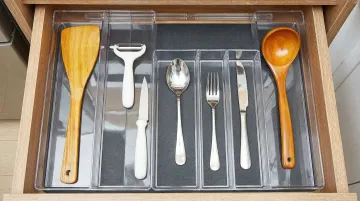
Messy drawers are often the biggest source of "micro-frustrations" in a morning routine. These modular dividers stop the jumble by creating designated zones for everything from kitchen utensils to bathroom essentials. What I like about these is that they actually stay put; the drawer stays tidy no matter how often it's opened, which is usually where low-quality dividers start to fail.
- Smart Design: Expandable dividers can be beneficial because most drawers aren't standard sizes, and if they don't fit properly, they shift and stop working.
- Visibility: Clear, BPA-free acrylic bins allow for instant visibility, so you never have to dig for what you need.
- Versatility: Organizers and dividers work best for flatware, office supplies, or even sorting out a chaotic junk drawer.
- Price Range: $15--$50+ per set
Top Picks:
- The Container Store 4" Dream Drawer Organizers: Ideal for compact and highly custom setups.
- OXO Good Grips Large Expandable Organizer: Best for long-handled utensils with removable trays for easy cleaning.
Airtight Pantry Storage Containers
Standard packaging is often bulky and fails to keep food fresh, leading to waste and a cluttered visual "noise" every time the cupboard is opened. Switching to uniform, airtight containers protects your ingredients from moisture and pests while making it immediately obvious when you are running low on essentials.
- Freshness: Silicone gaskets create a true airtight seal that can extend the shelf life of dry goods like flour, pasta, and coffee by weeks.
- Space Management: Square and rectangular shapes are far more efficient than round jars, as they stack neatly and eliminate the wasted gaps on your shelves.
- Convenience: I always recommend going for dishwasher-safe, BPA-free options with wide openings. It makes the whole system easier to keep clean, and you're much more likely to actually maintain it.
- Price Range: $25--$80+ for starter sets
Top Picks:
- Rubbermaid Brilliance: A top choice for dry-food storage that features a crystal-clear finish and an exceptionally secure locking system.
- OXO Good Grips POP: Highly space-efficient containers with a signature push-button seal that makes them very easy to open one-handed.
Modular Closet Organization Systems
Most bedroom clutter happens because a wardrobe isn't designed for how you actually live. Modular systems solve this by creating specific zones for different categories, like shoes, hanging items, and folded knits, that can be adjusted as your style and needs change over time.
- Flexibility: Adjustable shelving and hanging rods allow you to customize the internal layout to fit anything from floor-length dresses to small accessory drawers.
- Space Maximization: Using slim, non-slip hangers can double your rail space instantly, while vertical inserts turn unused floor space into efficient shoe or bag storage.
- Custom Fit: In my experience, the right modular setup can make almost any wardrobe feel intentional and custom; it's usually the difference between a space that works for you and one you're constantly fighting with or can't fit everything in your closet.
- Price Range: $150--$2,000+, depending on the size, complexity of the configuration, and brand.
Top Picks:
- IKEA PAX: A highly modular classic with endless internal options; frames start at around $80, while full combinations usually range from $225 to over $800.
- Rubbermaid Configurations: A great budget-friendly choice for wire shelving kits that are easy to install and adjust without any cutting required.
- The Home Edit Thin Hangers: These slim, sturdy, and non-slip hangers are a simple way to maximise rod space while keeping clothes looking tidy.
Labeled Storage Bins and Baskets
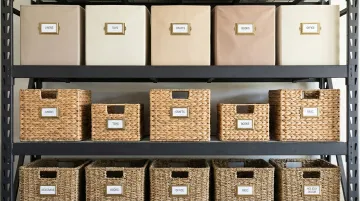
Bins and baskets are the ultimate tools for creating boundaries in a busy home. By using integrated labelling, these containers create clear "homes" for belongings, which makes it easy for every household member to put things back where they belong without being asked.
- Design Integration: Choosing materials like woven rattan or soft fabrics helps these blend into the room, so they don't feel like purely functional storage.
- Ease of Handling: Built-in handles make it easier to move bins in and out, especially for items that are used often or stored in harder-to-reach spots.
- Adaptability: Collapsible or nestable designs can be stored away when not needed, so they don't take up unnecessary space.
- Price Range: $10--$40+ per bin
Top Picks:
- Yamazaki Storage Baskets: Sleek steel-and-wood designs that bring a refined, minimalist look to open shelving.
- Simple Houseware Stackable Organizers: A budget-friendly and durable option for hidden areas like under-sink cupboards or the garage.
Refrigerator and Freezer Bins
Fridge organization is one of the most effective ways to prevent food waste. By using clear bins to create categorical zones, everything from deli meats to fresh produce stays visible, ensuring nothing is forgotten at the back of a dark shelf. This makes it easier to see what you have at a glance, so you're not moving things around while cooking.
- Structure: Bins keep similar items together, so things don't get pushed to the back or mixed as the fridge fills up.
- Ease of Use: Bins with easy-pull handles provide one-handed access, which is particularly helpful in a busy kitchen when your hands are often full.
- Maintenance: Modular designs with rounded corners are much easier to wipe down than fixed fridge shelves, helping to keep your food storage environment hygienic with minimal effort.
- Price Range: $15--$50+ for sets
Top Picks:
- Rubbermaid Brilliance: These are exceptionally durable and stain-resistant, keeping their glass-like clarity even after heavy use.
- iDesign Fridge Bins: A go-to for variety, offering numerous heights and widths to fit almost any shelf configuration or drawer setup.
Over-the-Door and Wall-Mounted Organizers
Vertical storage is one of the most underused options in any home; it turns the back of a door or an empty wall into useful storage without taking up any floor space.
- Damage-Free Setup: Many systems use adhesive strips or padded hooks, so they can be added without drilling or permanent changes.
- Streamlined Profiles: Slim designs ensure doors still open properly, so storage doesn't interfere with how the space is used.
- Categorization: Multi-pocket layouts help separate small items into clear groups, so things don't get mixed together or lost.
- Price Range: $15--$60+ depending on the size and material.
Top Picks:
- Command Hooks & Caddies: The gold standard for adhesive-based storage that removes cleanly without leaving a mark.
- Yamazaki Over-the-Door Racks: Known for their minimalist steel frames that provide a sturdy, sophisticated place for bags and coats.
- The Container Store Elfa Door Racks: A highly customisable metal system that allows you to swap out baskets and hooks as your storage needs evolve.
These products work because they solve specific problems. From there, it becomes easier to see what actually makes an organizing system last.
What to Look for in Organizing Products That Last
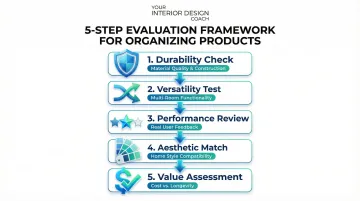
A lot of organizing products look great when you first set them up, especially the ones you see online. What tends to get overlooked is how much the material, fit, and upkeep affect whether that system actually holds. Here's what you should do:
Understand your needs first: Buying bins before clearing the clutter usually just creates a more organized version of the same stress. These tools are chosen to support the life you are actually living, ensuring that every container serves your present self rather than just storing the past. Think harder about what you truly need.
Set a clear limit for each space: Every drawer, shelf, or bin should have a defined capacity. Once it's full, that's the limit. Instead of adding more storage, it helps to edit what's inside so everything fits comfortably. This makes it easier to maintain because you're not constantly managing overflow, and it becomes clear what actually belongs in that space.
Prioritize ease over capacity: A cupboard that is packed tight but hard to navigate only adds to the morning rush. By focusing on making your essentials effortless to reach, you remove those tiny moments of friction, allowing your daily routines to feel lighter and more intuitive.
Give every item a home: A home functions best when every object has a clear, quiet place to return to. When you remove the guesswork of where things belong, you stop the cycle of moving piles from one surface to another and finally give your mind a chance to rest.
Focus on the gentle reset: No space stays perfectly organized on its own, and that's fine. What matters is how quickly it can be reset. If putting things back takes too long or feels like effort, it won't happen consistently. What I look for when working with clients is whether a system can be tidied in a few minutes, because that's what actually holds long-term. If you need ongoing help refining things as your space evolves, ongoing design support is worth considering.
Leave room to breathe: When storage is packed to capacity, it becomes harder to put things back neatly, so things stop going back at all. I always recommend leaving a little space in every drawer and shelf because that's what makes it easy to maintain. A system that's too full starts breaking down almost immediately.
Before you go
A lot of the time, it's not about doing everything at once. It's about getting one space to feel right. When that happens, you start to notice how much easier your day feels without having to think about where things are or what needs fixing.
If you're not sure where to start, I usually suggest picking one area that slows you down the most and setting it up in a way that feels simple to use. Not perfect, just something that works for you. If you'd like hands-on guidance, home organization consultants can help you build a system that fits how you actually live.
One of the most common things I see is that it's not about knowing what to do; it's about having the time to actually set it up properly. If you're feeling stuck or haven't been able to move things forward, I can help you make clear decisions. If larger space planning decisions are part of what's keeping your organizing stuck, that's worth addressing too. Feel free to reach out at 408-306-5003, and we can take it from there.
Frequently Asked Questions
What should I look for when buying organizing products?
Measure your space first (height, width, depth) before shopping. Plan out how you want to use the space based on the categories of items being organized, how much space they take up, and how you want the space to be laid out. Choose durable materials like thick acrylic, BPA-free plastic, or metal, and prioritize adjustable or modular designs that match your home's aesthetic.
Are expensive organizing products worth the investment?
Yes and no. Quality products typically last longer and function better, making them more cost-effective over time. If you know exactly what you want, get the better quality. If you're on the fence or will only use this system temporarily, opt for budget-friendly products until you know exactly what you need.
How do I organize a small space without adding clutter?
Focus on vertical storage using tall shelving units and over-the-door organizers, plus multi-functional products and clear containers. Declutter thoroughly first--storage solutions should contain only items you actually use.
What organizing products work best for renters?
Damage-free options like Command Hooks, over-the-door hardware-free organizers, freestanding shelving, and tension rods that don't require any drilling. Rolling carts and leaning ladders provide vertical storage that moves with you. If you're a renter looking for tailored advice, explore options for design in rental properties.
How often should I replace organizing products?
Quality products last years with proper care. Replace items when you notice cracking, warping, broken components, or when your storage needs significantly change. High-quality acrylic and metal organizers can last 5--10+ years, while budget plastic options may need replacement every 2--3 years depending on use intensity.
Where should I start if my whole house needs organizing?
Start with one high-traffic area causing the greatest daily frustration (kitchen, entryway, or primary closet). Implement a complete system, test it for 2--3 weeks, then move to the next space. This focused approach prevents overwhelm and builds momentum.
Read Related Blogs
- Clever Space-Saving Storage Ideas for Every Home
- 15 Smart Small Kitchen design ideas to maximize your space
- Small Space, Big Style: Clever Open Kitchen and Living Room Ideas