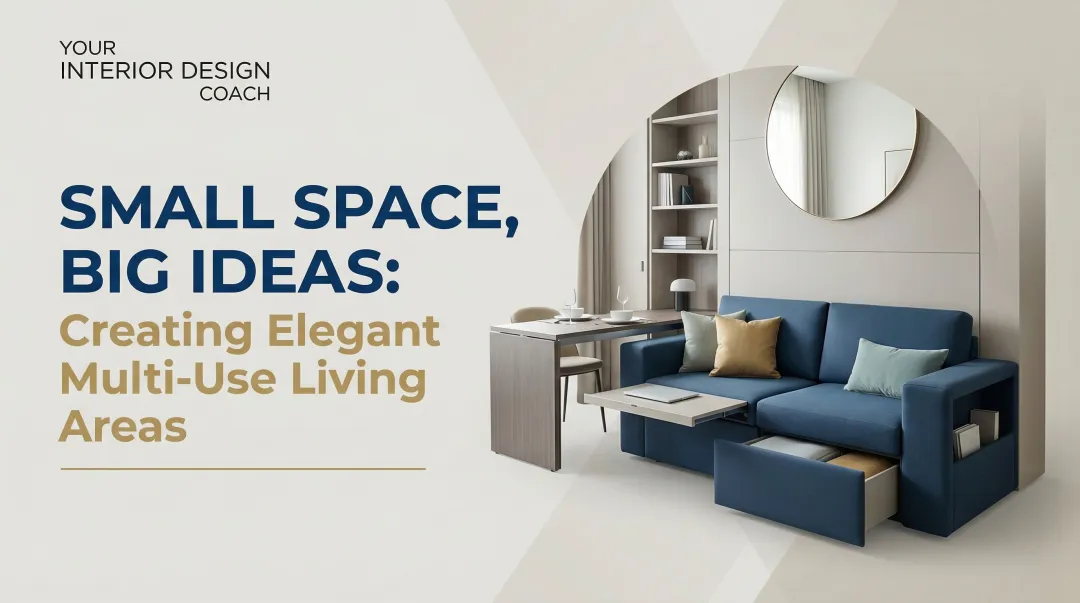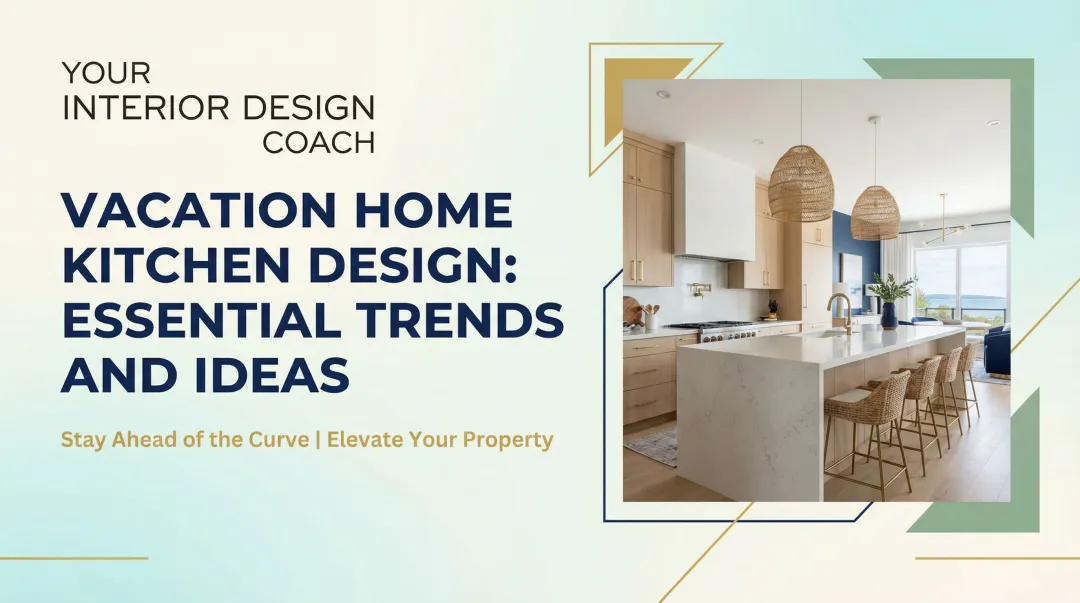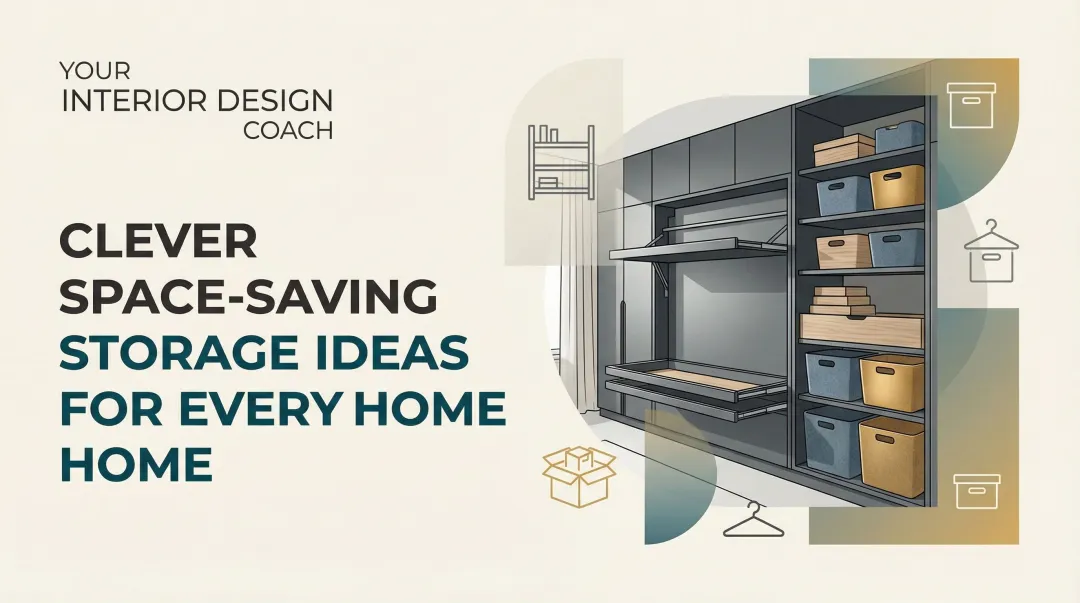
With smart planning, small open-concept spaces can actually feel more spacious and functional than larger, compartmentalized rooms. According to research on spatial perception, removing interior walls extends sightlines and visual continuity, making compact footprints feel significantly larger than their actual square footage.
The key is knowing how to get the most from every inch through thoughtful layout, smart storage, and design choices that make the eye see more space than actually exists.
Your Quick Summary
- Use continuous flooring and a cohesive color palette to create seamless visual flow
- Furniture placement, area rugs, and layered lighting define separate zones without closing off space
- Maximize functionality with multi-purpose furniture and vertical storage solutions
- Enhance perceived space through reflective surfaces, light colors, and strategic mirror placement
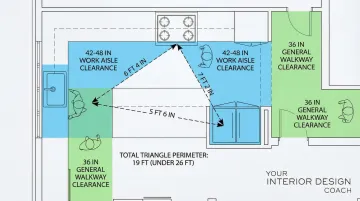
- Maintain 42-48 inch clearances in work areas for comfortable movement and functionality
Why Small Open-Concept Kitchen and Living Rooms Work
The Space-Expanding Effect
Removing walls between your kitchen and living area does more than just open up the floor plan. It fundamentally changes how your brain perceives the space.
When you eliminate interior partitions, your eye can travel farther without obstruction, creating what researchers call "isovist area," the total visible area from any vantage point. This extended sightline makes even a 300-square-foot space feel considerably larger than two separate 150-square-foot rooms.
The benefits extend beyond visual perception. Open layouts dramatically improve natural light distribution throughout your home. Research shows that interior partitions reduce daylight uniformity, forcing you to rely more heavily on artificial lighting. By opening up the space, sunlight from kitchen windows can penetrate into the living area, reducing energy costs and improving visual comfort.
Practical Benefits for Modern Living
These perceptual and lighting improvements translate directly into lifestyle advantages. Open-concept layouts deliver:
- Easier entertaining - You can prep food while conversing with guests in the living area
- Better supervision - Keep an eye on children or pets while cooking
- Enhanced connectivity - Family members can interact naturally across zones
- Flexibility - The space adapts easily for different uses throughout the day
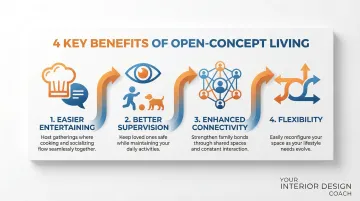
Open-concept homes have historically commanded premium prices - between 2011 and 2016, homes with open floor plans appreciated by 7.4% annually, and these homes sold for 102.6% of their list price in recent markets.
The market is evolving, though. Buyers increasingly prefer "defined openness" - spaces that feel open yet include subtle zoning for activities like remote work. This makes smart design even more critical: your small space needs to feel expansive while still offering functional separation.
Smart Layout Strategies for Maximum Flow
The Kitchen Work Zone Triangle
Efficiency in compact kitchens hinges on the classic work triangle, the path connecting your sink, stove, and refrigerator. The National Kitchen & Bath Association (NKBA) recommends that the sum of these three legs should not exceed 26 feet, with no single leg measuring less than 4 feet or more than 9 feet.
Critical clearance requirements:
- Work aisles: Minimum 42 inches for one cook; 48 inches for multiple cooks - getting this clearance right means two people can actually share the kitchen without negotiating every step
- General walkways: Minimum 36 inches for comfortable traffic flow
- Appliance access: Ensure cabinet and appliance doors can open fully without blocking pathways
Positioning Your Sofa as a Natural Divider
Your sofa serves as the natural divider between kitchen and living areas. Position it facing away from the kitchen to create mental separation. This simple placement trick helps guests focus on conversation rather than dirty dishes.
Spacing guidelines:
- Leave 36-48 inches between the sofa back and kitchen island or counter
- Choose a sofa that's approximately two-thirds the length of the wall it sits against
- Opt for pieces with exposed legs and slim profiles to maintain visual openness
Strategic Island Placement
Not every small kitchen can fit an island. Use this formula to determine if you have sufficient space:
Island Depth + (42 inches × 2) = Minimum Room Width Required
For example, a standard 24-inch deep island needs at least 108 inches (9 feet) of room width to allow proper clearances on both sides.
If you're short on space, consider these alternatives:
- Rolling carts that can be moved when not needed
- Peninsula counters that extend from existing cabinetry
- Narrow console tables (18-20 inches deep) that provide surface area without blocking flow
Traffic Flow Mapping
Once you've determined your major furniture pieces, test the layout by physically walking through your typical daily activities. Map the primary pathways:
- Kitchen entry to refrigerator
- Sink to stove to prep area
- Kitchen to living seating
- Entry door to both zones
Mark these paths with painter's tape and ensure each maintains the 36-inch minimum clearance. If you're constantly bumping into furniture corners or squeezing past the island, your layout needs adjustment.
Flexible Furniture Arrangements
Choose pieces that serve multiple purposes and can be reconfigured:
- Convertible tables: The Flip 2 table transforms from a 27.5" × 43" coffee table to a 55" × 43" dining surface
- Nesting tables: Provide flexible surface area that can be tucked away when not needed
- Storage ottomans: Offer seating, footrest function, and hidden storage in one piece
- Modular seating: Individual chairs or sectional pieces that can be rearranged for different occasions
Design Tricks That Make Small Spaces Feel Larger
Visual Continuity with Flooring
Using the same flooring material throughout both kitchen and living areas is one of the most effective ways to make your space feel larger. Continuous flooring eliminates visual breaks that make spaces feel "chopped up," promoting a sense of openness and connectivity. I usually recommend this as the single highest-impact decision in small open-concept spaces - it's the one change that transforms how cohesive the whole area reads.
Flooring strategies for small spaces:
- Light-colored materials reflect more light and make spaces feel larger
- Wide planks or large-format tiles create fewer grout lines, reducing visual clutter
- Diagonal installation patterns can make narrow spaces appear wider
- Avoid transitioning between different materials or colors at the kitchen-living boundary
The Power of Vertical Lines
Drawing the eye upward creates the illusion of height and volume. Ceiling-height cabinetry not only maximizes storage but also gives the space architectural presence, making ceilings feel taller.
Vertical design elements:
- Extend kitchen cabinets to the ceiling rather than leaving a gap
- Use vertical shiplap or board-and-batten treatments on accent walls
- Install floor-to-ceiling open shelving in the living area
- Choose tall, narrow bookcases over short, wide ones
Research confirms this strategy works: light-colored ceilings are perceived as significantly higher than dark ones, so painting ceilings white or pale tones enhances the vertical effect.
Reflective and Glossy Surfaces
Materials that bounce light create depth and brightness in compact spaces. High-gloss cabinet finishes, in particular, create a "mirror effect" that makes kitchens feel more spacious.
Light-reflecting material choices:
- Lacquered cabinets: High-gloss finishes reflect significantly more light than matte alternatives
- Polished stone countertops: Materials like polished quartz have gloss ratios of 28-55%, helping to distribute light
- Glass tile backsplashes: Reflect both natural and artificial light while adding visual interest
- Metallic accents: Stainless steel appliances, chrome fixtures, and brass hardware all contribute to light reflection
Strategic Mirror Placement
Mirrors are a designer's secret weapon for visually doubling space. Position them thoughtfully to maximize their impact:
- Place mirrors directly across from windows to reflect natural light
- Install a large mirror on the wall behind your sofa to reflect the kitchen and create depth
- Use mirrored cabinet doors or backsplashes in the kitchen
- Position mirrors perpendicular to long sight lines rather than at the end of narrow spaces
Avoid placing mirrors where they'll reflect clutter or unattractive views. The goal is to amplify the best aspects of your space.

The "Less is More" Approach
Beyond reflective surfaces, another powerful strategy involves strategic reduction. In small kitchens, minimizing upper cabinets or choosing open shelving prevents the space from feeling top-heavy and closed-in. This strategy involves a trade-off: you sacrifice some storage for visual breathing room.
When to embrace open shelving:
- You have sufficient closed storage elsewhere
- You're disciplined about keeping displayed items organized
- Your dishes and glassware are attractive enough to serve as decor
- You don't mind the additional dusting and maintenance
When to stick with upper cabinets:
- You need maximum storage capacity
- You prefer a cleaner, more minimal look
- You have limited time for styling and maintaining open shelves
Storage and Organization Solutions for Compact Spaces
Maximizing Vertical Storage
When floor space is limited, the only direction to expand is up. Ceiling-height upper cabinets provide 40% more storage volume than standard 30-inch cabinets - which means more capacity without touching the floor plan or widening any countertop.
Smart ways to maximize height:
- Install tall pantry cabinets that use the full ceiling height
- Arrange floating shelves vertically to create display zones
- Mount pot racks on walls to free up cabinet space
- Magnetic knife strips and utensil rails on backsplashes
- Over-the-door organizers for pantry items
Hidden and Multi-Purpose Storage
Beyond going vertical, look for storage opportunities in unexpected places where every cubic inch counts:
- The 4-inch space beneath base cabinets (toe-kick drawers) adds 1.5-2.5 cubic feet of storage per 3-foot section
- A Lazy Susan increases usable corner cabinet space from 5.0 to 15.3 cubic feet
- Narrow vertical cabinets (6-12 inches wide) slide out to reveal hidden pantry storage
- Coffee tables with lift tops, sofas with under-seat storage, and beds with built-in drawers hide everyday clutter
Open Shelving Strategy
Open shelving can make a small kitchen feel airier, but it requires thoughtful editing. Display your most attractive items while hiding less photogenic necessities.
What to display:
- Matching dish sets or attractive glassware
- Arrange cookbooks by size or color
- Decorative bowls, pitchers, or serving pieces
- Small plants or herbs in attractive containers
What to hide in closed cabinets:
- Small appliances (toasters, blenders, coffee makers)
- Mismatched plastic containers
- Cleaning supplies and dish soap
- Everyday items that create visual clutter
Living Area Storage Solutions
Don't overlook storage opportunities in the living zone. Choose furniture that works double-duty:
- Storage ottomans: Provide seating and hidden storage for throws, magazines, or remotes
- Console tables with drawers: Define the space behind your sofa while offering storage
- Media centers: Choose units with closed cabinets to hide electronics and cords
- Floating shelves: Display decor while keeping the floor clear
Furniture should be proportional to your space. Oversized pieces overwhelm small rooms, while undersized furniture can make the area feel disjointed.
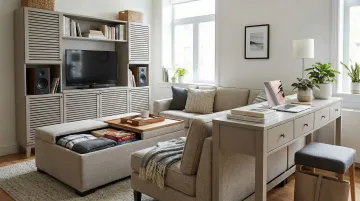
The Edit and Purge Mindset
Small spaces demand discipline. Regular decluttering isn't optional. It's essential for maintaining functionality and visual calm.
Framework for decision-making:
- Keep and display items you use daily that contribute to the aesthetic
- Keep and store seasonal or occasional-use items elsewhere
- Eliminate duplicates, broken items, or anything unused in a year
If you’re feeling stuck because storage, seating, and kitchen clutter are all competing for the same space, I can help you figure out what needs to stay, what can move, and what needs a better home. Reach out for a free consultation at 408-306-5003, and we can take it from there.
Color, Lighting, and Material Choices
Cohesive Color Palette
The 60-30-10 rule provides a foolproof formula for color harmony in open-concept spaces:
- 60% dominant color: Typically walls, large furniture pieces, or flooring (neutral or light tones work best)
- 30% secondary color: Complementary furniture, window treatments, or accent walls
- 10% accent color: Decorative pillows, artwork, accessories, and small decor items
In small spaces, light colors generally make rooms feel more spacious, while darker tones can create coziness.
Your choice should depend on natural light availability and personal preference, but whatever palette you choose, maintain consistency across both kitchen and living zones.
Layered Lighting Strategy
Color sets the foundation, but lighting brings your space to life. Proper illumination is critical in small open-concept spaces. A single overhead fixture will leave the area feeling flat and uninviting.
Instead, layer three types of lighting:
Ambient lighting (general overhead):
- Recessed ceiling lights
- Flush-mount or semi-flush fixtures
- Track lighting
Task lighting (focused illumination):
- Under-cabinet LED strips in the kitchen
- Pendant lights over islands or counters
- Table or floor lamps near seating areas
Accent lighting (decorative and mood):
- Wall sconces
- Picture lights
- LED strip lighting inside glass cabinets
IES standards recommend 40-70 footcandles for general kitchen lighting, which translates to approximately 7,680 lumens for a 192-square-foot kitchen.
Task areas like prep zones require even higher levels of 70-150 footcandles to ensure safety.
Material Consistency
Repeating materials throughout both zones creates visual cohesion and makes the space feel intentional rather than random.
Ways to echo materials:
- Match kitchen cabinet hardware to living room light fixtures and door handles
- Echo kitchen countertop material in a coffee table or side table
- Repeat wood tones from kitchen cabinets in living room furniture or shelving
- Use the same metal finish (brushed nickel, brass, matte black) throughout both spaces
This does not mean everything has to match. I’d choose one or two finishes to repeat between the kitchen and living area. For example, if the kitchen hardware is black, you might repeat that in a lamp, side table, or picture frame nearby. It helps the two spaces feel connected without making the whole room look overly matched.
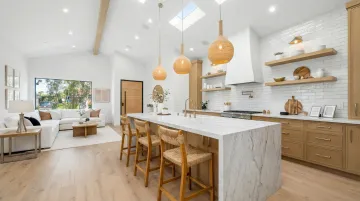
Common Mistakes to Avoid in Small Open-Concept Spaces
Oversized Furniture That Blocks Sightlines
The fastest way to make a small space feel cramped is to fill it with furniture that's too large. Measure your space and the furniture carefully.
Furniture scaling guidelines:
- Sofas should be approximately two-thirds the length of the wall they sit against
- Choose pieces with exposed legs rather than skirted bases to maintain visual flow
- Opt for armless or low-arm chairs that don't block views
- Consider glass or acrylic coffee tables that provide function without visual weight
Too Many Visual Dividers
Defining zones helps organize your space, but too many dividers make it feel choppy and disconnected. Skip these common separators:
- Different flooring materials in each zone
- Multiple area rugs in clashing colors or patterns
- Different paint colors on every wall
- Heavy curtains or screens that block light and views
Choose subtle boundaries instead:
- A single area rug to anchor the living zone
- Consistent flooring with furniture placement defining boundaries
- Low bookshelves or console tables that separate without blocking
Inadequate Lighting
Poor lighting makes even well-designed spaces feel cramped. Relying solely on overhead fixtures creates flat illumination and dark corners that visually shrink rooms.
Common lighting mistakes:
- Single overhead fixtures without layered lighting
- Insufficient task lighting in work areas
- No ambient lighting options for evening mood
- Neglecting natural light by blocking windows
Create a lighting plan that includes:
- Ambient sources for overall illumination
- Task lighting for work areas
- Accent lighting for visual interest
- Dimmer switches for flexibility in both zones
When Design Decisions Feel Overwhelming
Avoiding these mistakes is easier said than done. Should you include an island or skip it? Which furniture scale is right for your exact dimensions? How do you balance storage needs with visual openness?
If you’re feeling stuck choosing an island, sizing the sofa, placing the rug, or deciding how much storage you really need, I can help you sort through those design decisions for your open kitchen and living room.
Your Quick Recap
Open-concept spaces promise freedom and deliver complexity. The sightlines that make your home feel larger also mean every mess is always visible, every noise travels, and every design decision in one zone affects how the other zone looks. The fix is not to close the space back up - it is to design with those realities in mind from the start.
- Continuous flooring is one of the highest-impact, most underrated tools for making open spaces work
- The sofa back is one of the most useful zone dividers you have; use it deliberately
- Lighting zones do more psychological separation work than most physical dividers
- Rug sizing errors are the most common mistake in open-concept layouts - too small kills the whole effect
- Noise absorption through soft furnishings is not optional in hard-surface open kitchens; it is acoustic necessity (bonus insight)
- Consistent material language across both zones creates cohesion without making the spaces look identical (bonus insight)
If you're still feeling stuck and haven't been able to move things forward, let's talk! Reach out for a free consultation at 408-306-5003, and we can take it from there.
Frequently Asked Questions
What is the 60 30 10 rule for kitchens?
The 60-30-10 rule is a color distribution formula: 60% dominant color (walls, large furniture), 30% secondary color (accent furniture), and 10% accent color (accessories, artwork). This creates visual balance in open-concept spaces.
How to separate kitchen and living room in an open floor plan?
Use furniture placement (sofas as dividers), area rugs to define zones, different lighting for each area, and subtle material transitions. Avoid heavy dividers that block light. The goal is separation without sacrificing openness.
What is the best layout for a small kitchen?
Galley, L-shaped, or single-wall layouts work best. Galley maximizes efficiency in narrow spaces, L-shaped works in corners, and single-wall preserves floor space. Your choice depends on room dimensions and island space availability.
How much space do you need between a kitchen island and cabinets?
The NKBA requires a minimum of 42 inches for a single cook and 48 inches for multiple cooks. This clearance ensures appliance doors can open fully, drawers can be accessed comfortably, and people can pass safely. If you can't maintain these clearances, skip the island in favor of a rolling cart or peninsula.
Should I use the same flooring in kitchen and living room?
Yes, continuous flooring is strongly recommended for small open-concept spaces. Using the same material eliminates visual breaks that make spaces feel choppy and smaller. Choose durable, easy-to-clean options like luxury vinyl plank, engineered hardwood, or porcelain tile that can handle both kitchen moisture and living room traffic.
What furniture works best in small open-concept spaces?
Choose multi-functional pieces (storage ottomans, convertible tables), appropriately scaled furniture, and items that don't block sightlines, like low-profile sofas and glass coffee tables. Furniture with exposed legs maintains visual flow better than skirted pieces.