A lot of people assume a room feels “off” because of the furniture itself, when in reality, the problem is usually the layout underneath it. I’ve seen beautifully designed homes still feel uncomfortable because the circulation is awkward, seating distances are wrong, pathways are blocked, or the room is trying to support too many functions without a clear plan. You can have expensive furniture, great lighting, and beautiful finishes, but if the space is not planned properly, the room will still feel frustrating to live in.
This scenario is more common than you think. According to recent data, 53% of homebuyers rank layout as their top priority, above size, finishes, or even price. Poor layout isn't just annoying; it affects your daily comfort, stress levels, and even your home’s resale value.
I usually remind clients that space planning is not about being perfect at design. It is about learning how the room needs to work before you start buying or moving things.
In this guide, you'll discover what space planning really means, why it matters, and a practical 5-step process to plan any room with confidence, plus when professional guidance makes sense.
Your Quick Summary
- Space planning focuses on layout and flow, the foundation before decorating begins
- Proper planning improves function, reduces stress, and increases home value
- Five steps: assess, define zones, place furniture, test, and refine
- Avoid buying furniture first, ignoring scale, or blocking light and walkways
- Professional coaching helps when stuck, facing complex layouts, or avoiding costly errors
What is Space Planning? Understanding the Fundamentals
Space planning is the strategic arrangement of furniture, fixtures, and flow within a room or home to get the most from both functionality and aesthetics. Unlike interior decorating - which addresses colors, finishes, and styling - space planning is technical and structural. It must happen first, because no amount of beautiful decor fixes a layout that creates daily friction.
The core goal is making sure your space is actually set up for how you live. Good space planning considers:
- Specific activities and their designated locations
- Furniture scale relative to room proportions
- Natural light impact on different zones during the day
The Core Elements of Effective Space Planning
Understanding these fundamentals helps you create spaces that work seamlessly for your lifestyle.
Zoning Your Space
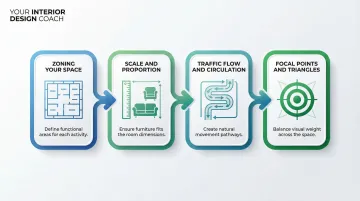
Every room contains distinct activity zones. In a living room, you might have a conversation zone, a reading nook, and a traffic path. In a kitchen, zones include prep, cooking, and cleanup areas. Effective planning divides homes into distinct zones that can evolve, with dining rooms doubling as workspaces, for example.
Scale and Proportion
Furniture must relate appropriately to room size. A sectional sofa that works beautifully in a 20x15-foot room will overwhelm a 12x10-foot space.
Vary furniture heights to allow your eye to scan the room comfortably, balancing tall pieces across the space rather than clustering them.
Traffic Flow and Circulation
Clear pathways are essential. Major walkways should measure at least 36 inches wide, with 42-48 inches ideal for high-traffic areas. Traffic should flow around activity zones, not cut through the middle of conversation groupings or workspaces.
Focal Points and Triangles
Every room needs an anchor: a fireplace, window with a view, or feature wall. Furniture should orient toward this focal point. In kitchens, the work triangle connects sink, cooktop, and refrigerator, with the three legs totaling no more than 26 feet. In living rooms, conversation triangles arrange seating to facilitate interaction.
Space Planning vs. Interior Design: What's the Difference?
Space planning happens first. It's the foundation that addresses measurements, spatial relationships, and functional requirements. Space planners focus specifically on layout, flow, and how people use the area.
Interior designers typically encompass space planning but also handle aesthetics, materials, colors, and finishes. Many professionals do both, but the distinction matters: you can't successfully decorate a space that doesn't function well. Fix the layout first, then add the beauty.
Why Space Planning Matters: The Impact on Your Home and Life
Functional Benefits
Proper space planning eliminates daily frustrations. You'll experience better flow, more usable space, and fewer obstacles in your routine. When the layout is right, you stop adapting to the room and the room starts adapting to you.
Research shows that inadequate spatial design increases cognitive fatigue and reduces productivity - meaning a poorly arranged room isn't just inconvenient, it's actively costing you mental energy every day.
Psychological Impact
Your home's layout affects your mental well-being more than you might realize. Spaces that work intuitively reduce stress and increase satisfaction.
When you can move through your home without obstacles, find what you need easily, and use each room for its intended purpose, your overall mood improves.
Financial Advantages
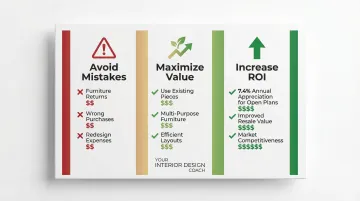
What I’ve seen is that good space planning almost always saves money in the long run, because it helps you make fewer reactive purchases.
When the layout is properly planned first, you’re less likely to replace furniture that feels oversized, add unnecessary storage solutions, or keep buying pieces that solve one problem while creating another somewhere else in the room.
If you’re trying to avoid costly layout mistakes or unnecessary furniture purchases, I can help you plan the space before you invest in pieces that may not work long-term. Reach out for a free consultation at 408-306-5003.
Accommodating Life Changes
Beyond immediate financial returns, thoughtful space planning adapts as your life evolves. With 84% of homeowners planning to stay in their homes for 15+ years, designing for aging in place matters. Features like ground-floor bedrooms, wider hallways, and accessible bathrooms become essential.
Similarly, the rise of remote work demands flexible zones: dining areas that convert to workspaces, or acoustic pods for video calls.
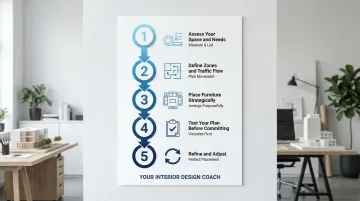
The Space Planning Process: 5 Essential Steps
Step 1: Assess Your Space and Needs
Measure Accurately
Start with precise measurements of your space:
- Room dimensions (length, width, ceiling height)
- Window and door locations and sizes
- Architectural features (columns, alcoves, radiators)
- Electrical outlets and light switches
Use a standard tape measure for smaller details and a laser distance meter for quick wall-to-wall measurements. Record everything in a notebook or digital tool.
Create a Scale Drawing
You don't need expensive software. Graph paper works perfectly. Let each square represent one foot. Alternatively, try free digital tools:
- RoomSketcher: Top-rated for 2D/3D layouts and live walkthroughs
- Planner 5D: User-friendly with AI features and large item library
- MagicPlan: Scan rooms with your smartphone camera to generate floor plans
Identify Fixed Elements
Mark immovable features on your drawing: built-in shelving, windows, radiators, and electrical outlets. These constraints will guide furniture placement decisions.
List Functional Requirements
Answer these questions:
- Who uses this space and for what activities?
- What must be stored here?
- What furniture is non-negotiable?
- What's missing that would improve function?
Step 2: Define Zones and Traffic Flow
Map Activity Zones
Designate areas for specific activities based on your needs assessment. In a bedroom: sleeping, dressing, working, and relaxing zones. In a living room: conversation, entertainment, and reading areas.
Plan Traffic Paths
Traffic should flow around activity zones, not through them. Maintain these clearances:
- Main walkways: 36 inches minimum, 48 inches ideal - traffic paths that cut through activity zones are one of the biggest sources of daily friction in a home, and resolving them is usually a furniture placement fix, not a renovation
- Secondary paths: 30 inches acceptable
- Kitchen work aisles: 42 inches for one cook, 48 inches for multiple cooks
Consider Sightlines
What do you see when entering the room? From key seating positions? Arrange furniture to create appealing views and hide less attractive elements.
Factor in Natural Light
Observe how sunlight moves through the space during different times of day. Position reading areas near windows, but avoid placing TVs where glare will be an issue.
Step 3: Place Furniture Strategically
Start with Anchor Pieces
Begin with the largest, most important items:
- Bed in bedrooms
- Sofa in living rooms
- Dining table in dining areas
These anchor pieces dictate where everything else goes.
Use the Floating Furniture Technique
Not everything needs to hug walls. In larger rooms, floating furniture away from walls creates intimate conversation groupings and makes spaces feel larger, not smaller.
Maintain Proper Clearances
Follow these guidelines:
- Coffee table to sofa: 14-18 inches for easy reach with legroom
- Dining chairs: 30-36 inches from table edge to wall for pushing back
- Around bed: 36 inches minimum walkway on accessed sides
- Between seating: 3.5-10 feet to facilitate conversation
Choose Multi-Purpose Pieces
Especially in small spaces, furniture that serves multiple functions maximizes utility:
- Ottoman with storage
- Sofa bed for guests
- Dining table that extends
- Desk that folds away
Create Conversation Groupings
Arrange seating to support interaction. Face sofas and chairs toward each other or in L-shapes, keeping seating within 10 feet to avoid shouting across the room.
Step 4: Test Your Plan Before Committing
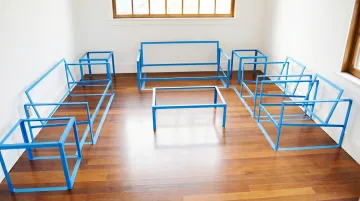
Use Painter's Tape
Outline furniture footprints on the floor with painter's tape before moving heavy pieces. Walk through the space, testing traffic flow and visualizing how it will feel.
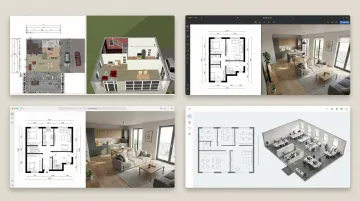
Try Digital Visualization
Room planning apps let you experiment with different arrangements risk-free, moving virtual furniture until you find the optimal layout.
Live with It Temporarily
If possible, arrange furniture in the new layout and live with it for several days. You'll quickly discover what works and what doesn't.
Get Fresh Perspectives
Ask family members or friends who use the space for feedback. They'll notice issues you might overlook because you're too close to the project.
This feedback naturally leads into the refinement phase, where you'll make adjustments based on real-world use.
Step 5: Refine and Adjust
Expect Iteration
First attempts rarely produce perfect layouts. That's normal. Good space planning involves testing, learning, and adjusting.
Make Small Tweaks
Through daily use, you'll identify where to shift pieces a few inches, swap furniture between rooms, or add a small table where you keep setting things down.
Try Unconventional Solutions
If traditional arrangements aren't working, experiment. Angle furniture instead of keeping it parallel to walls. Use a bookshelf as a room divider. Place the bed in the center of the room if that's what works.
Document Your Process
Take photos and notes about what works and what doesn't. This record will help with future projects and prevent repeating mistakes.
Common Space Planning Mistakes to Avoid
Mistake #1: Buying Furniture Before Planning
Purchasing that gorgeous sofa before measuring your space leads to pieces that don't fit or work together. Sizing and spatial fit issues are a primary driver of furniture returns. Always plan first, then shop.
Mistake #2: Ignoring Scale and Proportion
Getting the scale wrong creates immediate problems:
- Oversized furniture overwhelms small rooms and blocks traffic flow
- Undersized pieces look lost in large spaces
- Mismatched proportions prevent cohesive furniture groupings
Match furniture scale to your room dimensions before purchasing.
Mistake #3: Blocking Natural Light or Walkways
Placing furniture in front of windows cuts off natural light that would otherwise make the space feel larger. Furniture in traffic paths creates daily frustration that accumulates - it's one of the most common reasons people feel their home is "off" without being able to name why. Keep walkways clear and windows unobstructed.
Mistake #4: Neglecting the Focal Point
Every room needs an anchor. Without a clear focal point, spaces feel scattered and furniture arrangement lacks purpose.
Identify your room's natural focal point: a fireplace, window with view, or architectural feature, and orient furniture toward it.
Mistake #5: Forgetting Electrical and Lighting Needs
Placing a desk far from outlets or positioning reading chairs away from light sources creates functional problems. Let practical needs drive furniture placement, then add extension cords or additional lighting only when necessary.
Tools and Resources for DIY Space Planning
Free and Low-Cost Digital Tools
Modern technology makes space planning accessible:
- RoomSketcher: Offers 2D/3D layouts and virtual walkthroughs, ideal for accuracy and visualization
- Planner 5D: User-friendly multi-platform app (web, iOS, Android) with AI features and extensive item library, perfect for beginners
- MagicPlan: Scan rooms with your smartphone to generate instant floor plans, great for capturing initial measurements
- Floorplanner: Browser-based tool for quick layouts with drag-and-drop furniture templates
- SketchUp Free: Powerful 3D modeling with total creative freedom, though steeper learning curve
Augmented reality apps now let you visualize furniture in your actual space using your phone's camera, essential for understanding scale before purchasing.
Once you've explored digital options, you'll need physical tools to capture accurate measurements.
Measurement and Planning Essentials
Essential measurement tools:
- Tape measure (25-foot minimum)
- Laser distance meter (optional but speeds up measurement)
- Notepad or smartphone for recording dimensions
- Graph paper, pencil, and ruler for manual drawing
Build a planning reference binder with:
- Room measurements and photos from multiple angles
- Furniture dimensions (existing pieces and potential purchases)
- Inspiration images showing layouts you like
- Notes on how you use each space
Learning Resources
Online Tutorials: YouTube channels focused on space planning basics offer free visual instruction. Search for "room layout tutorial" or "furniture arrangement guide" for hundreds of helpful videos.
Recommended Books:
- Space Planning Basics by Mark Karlen, a comprehensive introduction to planning principles
- Kitchen & Bath Planning Guidelines with Access Standards by NKBA, with detailed standards for these critical spaces
- The Metric Handbook Planning and Design Data, a technical reference for dimensions and clearances
Professional Guidance:
Even with excellent tools and resources, you may hit roadblocks where you're stuck on a specific design challenge or lack confidence in your decisions.
At YIDC, I help you look at the layout details that usually cause problems: whether the sofa is too deep for the walkway, whether the chairs are too far apart for conversation, whether storage is missing where clutter collects, or whether the main path through the room keeps getting blocked. If you've been feeling stuck and haven't been able to move things forward, reach out at 408-306-5003.
When to Seek Professional Help
DIY space planning can work beautifully for straightforward rooms, but some spaces become challenging because the problem is not always obvious.
Professional guidance can be especially helpful when dealing with:
- Complex layouts with awkward angles, multiple doorways, or structural limitations
- Open-concept spaces that need clear functional zones
- Rooms serving multiple purposes at the same time
- Conflicting lifestyle needs between household members
- Accessibility or aging-in-place considerations
- Decision paralysis after trying several layouts without success
- Expensive furniture decisions where mistakes can be costly
What I’ve seen over nearly 20 years in interior design is that people often assume they need a complete redesign, when in reality, they just need clarity on what the space is missing. Sometimes a small shift in layout, scale, or zoning can completely change how a room feels and functions. At YIDC, the process is collaborative and focused on helping you make more confident decisions, so the space feels easier to move through, more visually balanced, and better suited to how you actually live every day.
Your Quick Recap
Most people approach space planning backwards - they pick furniture they love and then try to make it work in their room. The result is layouts that look assembled rather than designed. The five-step process in this article reverses that sequence, and that reversal is what makes the difference between a room you tolerate and one you genuinely love.
- Measure before you do anything else; wrong dimensions make every other decision wrong too
- A scale drawing on graph paper catches problems that feel invisible in the room itself
- The first layout is almost never the best one; iterations are not failure, they are the process
- Furniture scale relative to room size is the most consistently missed factor in residential design
- Painter's tape on the floor is the cheapest and most convincing layout test you can do (bonus insight)
- Space planning confidence from one room carries forward and makes every future space easier to approach (bonus insight)
If you're still feeling stuck and haven't been able to move things forward, let's talk! Reach out for a free consultation at 408-306-5003, and we can take it from there.
Frequently Asked Questions
What is meant by space planning?
Space planning organizes furniture, fixtures, and flow within a space to maximize function and aesthetics. It focuses on how people use an area, including movement patterns, activity zones, and spatial relationships, before decorative elements.
What is the difference between an interior designer and a space planner?
Space planners focus specifically on layout, flow, and spatial relationships, the technical foundation of how a space works. Interior designers typically encompass space planning but also handle aesthetics, materials, colors, and finishes. Many professionals do both, though some specialize in one area.
How much does professional space planning cost?
Hourly consultation rates typically range from $50 to $200+, while flat fees for room projects run $2,000 to $12,000 (excluding furnishings). Services like YIDC offer coaching models that work within various budgets, making professional guidance more accessible.
Can I do space planning myself or should I hire a professional?
Many people successfully plan their own spaces with the right tools and research. Professional guidance helps with complex challenges, decision paralysis, or avoiding costly mistakes. Coaching offers a middle ground: expert input while you maintain control.
What tools do I need for DIY space planning?
The essentials are simple: tape measure, graph paper or digital room planning app, pencil, and furniture dimensions. You don't need expensive tools to start. Free apps like Planner 5D or RoomSketcher provide professional-level visualization without cost.
How long does the space planning process take?
The timeline varies by project scope. Planning a single room might take a weekend, with implementation over the following week. Whole-home planning could take several weeks. Remember that thoughtful planning upfront saves significant time and money later by preventing mistakes and reducing the need for do-overs.