A project that initially felt exciting slowly becomes mentally exhausting; layouts stop making sense, furniture starts to feel risky to invest in, contractor conversations become harder to navigate, and every choice begins to affect three others.
The right design consultant does more than make a space look good. They help bring clarity to the process itself. What I’ve seen with clients is that even a little expert guidance at the right stage can prevent expensive mistakes, uncover practical issues early, and make the entire project feel far less overwhelming. But finding the right fit matters just as much as deciding to hire help in the first place.
This guide breaks down what to look for in a design consultant, what questions to ask before hiring, and how to find someone whose process, communication style, and expertise actually align with the kind of support your project needs.
Your Quick Summary
- Get expert guidance for specific design challenges without committing to full-service implementation
- Look for relevant portfolio work, strong communication skills, and a collaborative approach that empowers you
- Ask about their process, pricing structure, deliverables, and whether they can work within your budget
- Red flags: poor communication, no relevant experience, inability to explain design reasoning
What is a Design Consultant?
A design consultant is a professional who provides expert guidance and problem-solving for specific design challenges without necessarily handling full implementation.
According to the American Society of Interior Designers, these specialists create functional and visually appealing spaces by understanding client needs and applying expertise in space planning, color coordination, and material selection.
In my experience, consulting works best when you want expert eyes on the problem, but you still want to stay involved in the decisions.
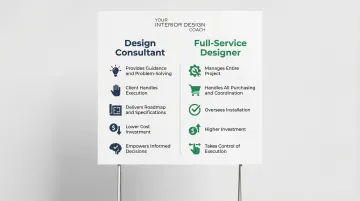
The Key Difference: Consultant vs. Full-Service Designer
The distinction matters for your budget and involvement level:
- Design Consultant: Focuses on guidance, problem-solving, and empowering you to make informed decisions. You receive the roadmap (detailed drawings, material selections, shopping lists) and handle execution yourself or with your contractor.
- Full-Service Interior Designer: Manages the entire project from concept through installation, including purchasing, project management, and coordination of all trades.
The U.S. interior design industry reached a valuation of $25.9 billion as of 2024, with consultants offering a flexible middle ground that's grown increasingly popular.
Understanding what consultants deliver helps you determine if this approach fits your project needs.
Typical Services Design Consultants Offer
- Space planning and furniture layout guidance
- Color scheme development and material selection guidance
- Design direction for specific rooms or renovation challenges
- Creative problem-solving for layout or functional issues
- Budget-conscious recommendations tailored to your constraints
- Technical drawings and specifications for contractor coordination
Signs You Need to Hire a Design Consultant
You're Stuck on a Specific Design Problem
When your layout isn't working, you can't settle on a color scheme, or you're unsure about furniture scale, a consultant provides targeted expertise on that specific problem - without the cost and scope of full-service design. Solving the one thing that's been blocking you often unlocks the rest of the project; the decisions that follow become easier once the core issue is resolved.
If you're in that situation right now, call 408-306-5003 for a free consultation. I can help you look at the options and figure out what direction makes the most sense.
You Need Professional Expertise on a Limited Budget
Consultant fees typically range from $50-$200 per hour for most residential projects, significantly less than full-service design that includes purchasing and project management costs. If you're willing to handle implementation yourself, consulting maximizes your design budget.
You Lack Confidence in Your Decisions
Before making expensive furniture purchases or committing to a renovation plan, expert input prevents costly mistakes.
Signs you need professional guidance:
- Second-guessing every design choice
- Feeling overwhelmed by available options
- Uncertain about coordinating multiple elements
- Worried about making permanent decisions
What to Look for When Hiring a Design Consultant
Choosing the right consultant involves evaluating both technical skills and working style compatibility.
Relevant Experience and Portfolio
A strong portfolio reveals how a designer thinks and solves problems. When reviewing portfolios, look for:
- Sketches, diagrams, and mood boards showing their problem-solving approach
- Before-and-after transformations demonstrating measurable impact - these tell you whether the designer solves real functional problems or just makes spaces look good in photos
- Technical drawings proving they translate concepts into reality
- Residential vs. commercial experience matching your project needs
- Style alignment with your aesthetic preferences
- Similar scope and budget range to your project
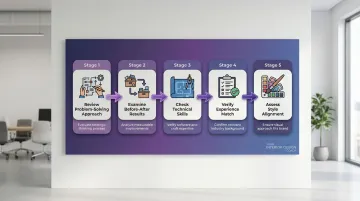
Verify they've worked with clients like you - whether you're tackling a personal renovation, a rental property, or a professional project. Each requires different expertise and communication approaches.
Beyond credentials, evaluate how well their communication style matches your needs.
Communication Style and Approach
In my experience, a good consulting process is one in which the client feels heard before any solutions are suggested. If that part is missing, even a beautiful idea can feel wrong.
Research on user satisfaction in design projects shows that participatory design and client involvement drive higher satisfaction - meaning a consultant who imposes solutions rather than drawing them out will consistently deliver work you can't fully own.
The best consultants:
- Ask questions to understand your vision before proposing solutions
- Explain design concepts in accessible terms, not jargon
- Empower you to make informed decisions rather than dictating choices
- Welcome feedback and revisions as part of the process
For example, a coaching-focused consultant helps you articulate your vision and builds your confidence in making design decisions, rather than simply telling you what to do.
Process and Service Structure
Clarify their workflow upfront to prevent misunderstandings:
- Service Format: Do they offer hourly consultations, package services, one-time sessions, or ongoing support?
- Deliverables: What exactly do you receive: mood boards, floor plans, shopping lists, or design concepts?
- Timeline: What's their availability, and how long until you receive deliverables?
- Revisions: How many rounds of feedback are included in their fee?
Budget Transparency and Flexibility
Upfront pricing clarity is essential. Key questions to ask:
- What's included in their quoted fee?
- What costs extra (travel, materials, additional revisions)?
- Can they work within your stated budget for both design services and implementation?
- Will they tell you honestly if your budget doesn't align with your vision?
The right consultant provides realistic guidance about what's achievable within your constraints.
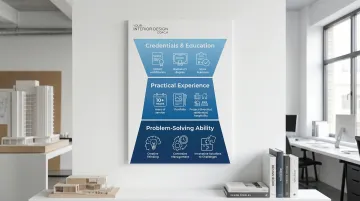
Credentials and Problem-Solving Ability
Formal education provides essential foundation:
- Bachelor's degree in Interior Design establishes core knowledge
- NCIDQ certification (17,447 active certificate holders as of October 2024) demonstrates professional competency
- State licensure requirements vary; some states require passing the NCIDQ exam
However, practical problem-solving ability matters most. Ask about:
- How they approach unexpected challenges
- Their creative process for solving spatial or functional problems
- Examples of projects where they overcame significant constraints
Years of hands-on experience often reveal more about a consultant's capabilities than credentials alone.
Questions to Ask Before Hiring a Design Consultant
Asking the right questions upfront ensures you find the right fit and prevents costly misunderstandings.
What is your design process, and what will I receive?
Be specific about deliverables:
- Will you provide mood boards, floor plans, shopping lists, or design concepts?
- How many consultation sessions are included?
- What format will deliverables be in (digital files, printed boards, etc.)?
- How many revisions or rounds of feedback are included?
How do you charge, and what does that include?
Once you understand what you'll receive, clarify the investment required. Pricing models vary:
- Hourly rates: $50-$200 per hour for most residential designers, though experienced principals may charge up to $500/hour
- Flat fees: Set price for specific scope (single room design, color consultation)
- Initial consultation: Typically $150-$500 for the first meeting
Ask for a written estimate based on your project scope and clarify what expenses are separate (travel, materials, printing).
Can you work within my budget?
Be upfront about your total budget for both design services and the execution of the design. A good consultant will:
- Tell you honestly if your budget aligns with your goals
- Suggest phased approaches when the full project exceeds your current budget.
- Cost-effective alternatives that achieve similar results
- Help you prioritize spending for maximum impact
How do you handle revisions and changes?
Understanding the revision process prevents surprises later:
- How do they handle changes to initial recommendations?
- Are additional consultations beyond the original scope billed separately?
- What happens if you don't like their first proposal?
- How many rounds of revisions are included before additional fees apply?
What is your communication and availability like?
Clear communication keeps projects on track. Ask about:
- Typical response times to emails or calls
- Preferred communication methods (email, text, phone)
- How often you'll hear from them during the project
- References who can speak to their responsiveness
What makes your approach unique?
This question reveals their philosophy and personality fit. Listen for consultants who emphasize:
- Collaboration and client empowerment
- Education and building your design confidence
- Practical problem-solving over imposing their style
- Working within constraints rather than pushing expensive solutions
How Your Interior Design Coach Can Help
At YIDC, I approach design more like a collaboration than traditional consulting. You are still involved in the decisions, but you do not have to figure everything out alone. Sometimes people just need help narrowing down options, understanding what will actually work in their space, or feeling more confident before making expensive choices.
Whether it is layout planning, materials, furniture scale, or pulling the overall vision together, I help guide the process in a way that feels clear and manageable instead of overwhelming. After nearly 20 years in interior design, I’ve learned that good guidance is often less about having all the answers and more about helping people see their space with greater clarity and confidence.
The Coaching Difference
Rather than imposing solutions, YIDC works collaboratively to:
- Ask the questions you didn't know to ask, helping you clarify your vision and priorities
- Increase your confidence in the process through informed decision-making
- Provide actionable solutions using existing furniture, getting the most from your budget
- Walk you through from start to finish, offering support exactly where you're stuck
If you've been feeling stuck and haven't been able to move things forward on your own, reach out for a free consultation at 408-306-5003 or book it here.

Your Quick Recap
The best design consultant is not the one with the most impressive portfolio, it is the one who asks questions before they offer answers. If someone walks in and immediately tells you what to do, that is a red flag. The process of being heard is part of the value.
- A consultant who explains their reasoning builds your confidence, not just your space
- The first meeting tells you most of what you need to know about communication style
- Hourly consulting is often more budget-friendly than full-service and can solve a specific sticking point
- Ask for references from clients with similar project types, not just similar budgets
- A consultant who is willing to say "I would not do that" is worth more than one who agrees with everything (bonus insight)
- Design confidence from one project carries forward into every future decision you make about your home (bonus insight)
If you’ve been feeling stuck or going in circles with decisions, sometimes a quick conversation can bring a lot more clarity than trying to figure everything out alone. Reach out for a free consultation at 408-306-5003, and we can chat through your space, your ideas, and where it makes sense to go from here.
Frequently Asked Questions
How much does a design consultant charge?
Rates vary widely based on location, experience, and services. Most residential designers charge $50-$200 per hour, with initial consultations typically costing $150-$500. Consultants generally cost less than full-service designers since you're paying only for guidance, not project management and purchasing.
What's the difference between a design consultant and an interior designer?
Design consultants provide guidance and problem-solving for specific issues while you handle implementation. Full-service designers manage the entire project: concept through installation, purchasing, and contractor coordination. Consultants offer professional expertise while letting you maintain control over execution.
Do I need a design consultant, or can I do it myself?
If you're feeling stuck, overwhelmed, or worried about expensive mistakes, a consultant saves time and money with expert direction upfront. With 47% of renovations going over budget and 1 in 10 canceled due to stress, professional guidance prevents costly errors and decision paralysis.
How long does a design consultation typically take?
Initial consultations last 2-4 hours. Full project consulting for a single room typically spans 2-4 weeks from initial meeting to final deliverables, depending on scope and complexity. This is significantly faster than full-service projects, which can take months or even years.
What should I prepare before meeting with a design consultant?
Gather room measurements, photos from multiple angles, inspiration images, your budget range (services and implementation), a list of specific pain points or goals, and photos of existing furniture you want to keep.
Can a design consultant help with just one room?
Absolutely. Single-room projects are perfect for targeted problem-solving, whether it's a challenging living room layout, kitchen color scheme, or Airbnb refresh. This approach lets you get unstuck on your biggest design challenge without committing to full-home services, making professional guidance accessible and budget-friendly.