Your space must deliver on the promise those photos make—and guests who feel deceived write reviews that undo everything the photos built.
Thoughtful interior design directly affects your bottom line. Professionally designed rentals achieve up to 40% higher revenue compared to non-designed peers, and 83% of guests pay premium rates for properties with strong reviews that are driven by design, comfort, and the experience matching the listing.
This article covers 15 actionable design ideas that transform vacation rental spaces while balancing aesthetics with durability, maintenance, and guest appeal. Whether you're refreshing a single room or reimagining your entire property, these strategies help you create spaces that drive bookings and support premium rates.
Your Quick Summary
- Design improvements boost bookings by 20-40% while commanding premium rates
- Prioritize guest-facing spaces: living rooms, bedding quality, lighting, and clutter-free surfaces
- Create photogenic spaces that withstand heavy use and simplify turnover cleaning
- Smart amenities like dedicated workspaces and keyless entry meet modern traveler expectations
- Design coaching helps you get unstuck on rental upgrades and make confident choices within budget
Foundation Design Elements That Set the Stage
In my experience, the easiest place to start is with the pieces guests notice first: clear surfaces, a cohesive palette, durable furniture, and good lighting. These are the details that make a space feel intentional before someone has even read the full listing.
Idea 1: Embrace a Minimalist, Clutter-Free Aesthetic
Vacation rental guests want space to breathe, literally and visually. I usually recommend looking at the room as a guest would in the first 30 seconds. If there’s too much going on, it becomes harder for them to understand the space and picture themselves relaxing there.
Why minimalism drives bookings:
- Clean surfaces photograph better; clutter competes for the eye in every shot
- Guests have room for their own belongings without moving your décor first - when guests can unpack and settle in without rearranging the space to fit their things, they start the stay already at ease
- Cleaning teams work faster between turnovers when there are fewer surfaces to address
- Modern travelers expect the minimal aesthetic they see in design magazines - it signals quality
Practical implementation:
- Limit decorative items to 3-5 pieces per room maximum
- Remove all personal photos, collections, and family memorabilia
- Keep only items that serve a purpose or create visual impact
- Clear all countertops, nightstands, and dressers before photography sessions
- Store excess items rather than displaying them
Hosts consistently report increased bookings after decluttering and replacing busy patterns with solid neutrals.
Idea 2: Choose a Cohesive Color Palette
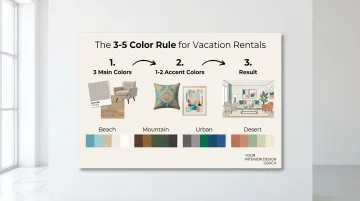
What colors make guests feel instantly at home? Warm tones create comfort and welcome, while cool blues and greens promote relaxation. Your palette shapes the entire guest experience.
When I’m helping someone choose colors, I usually start by asking how they want the space to feel when someone walks in.
Select colors strategically:
- Beach properties: Soft blues, sandy neutrals, and crisp whites reflect the coastal environment
- Mountain cabins: Earth tones, forest greens, and warm browns connect to nature
- Urban rentals: Sophisticated grays, blacks, and jewel-tone accents convey modern style
- Desert locations: Terracotta, sage, and warm neutrals complement the landscape
If choosing colors feels overwhelming, this is where I like to simplify things. The 3-5 color rule: Choose three main colors for walls, large furniture, and flooring, then add 1-2 accent colors through pillows, artwork, and accessories. This creates visual cohesion without monotony.
This foundation of cohesive colors sets the stage for versatility. Neutral base palettes (whites, grays, beiges) appeal to the broadest audience and photograph well, allowing you to refresh accent colors seasonally without major investment.
Idea 3: Invest in Quality, Durable Furniture
Your furniture takes a beating from rotating guests. It needs to look sharp in photos while surviving years of heavy use. I usually tell clients that rental furniture has to do two jobs at once: it has to photograph well and hold up when people use it differently every week. If it only does one, you usually end up replacing it sooner than you planned.
Durability considerations:
- Choose commercial-grade upholstery fabrics rated for 30,000+ double rubs
- Select hardwood frames over particleboard for sofas and chairs
- Opt for leather or performance fabrics that resist stains and wear
- Avoid delicate materials like velvet, silk, or light-colored linens in high-traffic areas
Style strategy:
Skip matching furniture sets. Mix vintage and modern pieces instead. A mid-century sofa with a rustic coffee table and contemporary side tables creates an authentic, curated style that cookie-cutter sets can't match.
Scale matters:
Oversized sectionals overwhelm small living rooms, while undersized pieces make large spaces feel empty. Aim for furniture that allows comfortable traffic flow with 24-36 inches of walking space.
Idea 4: Master Lighting Layers
Lighting is one of the first things I look at because it changes the photos and the way the room feels in person. Even a well-designed room can feel off if the corners are dark or the bulbs feel too harsh.
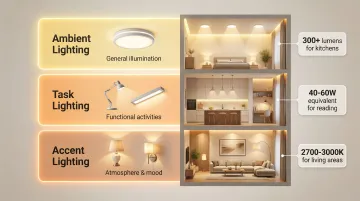
Three essential lighting layers:
- Ambient lighting (overhead): Ceiling fixtures or recessed lights for general illumination
- Task lighting (functional): Reading lamps and under-cabinet lights for specific activities
- Accent lighting (decorative): Table lamps and wall sconces for atmosphere
Implementation tips:
- Install dimmer switches on overhead lights to adjust the ambience for different times of day
- Ensure kitchens have bright task lighting for cooking (300+ lumens)
- Place reading lamps on both sides of beds with 40-60 watt equivalent bulbs - when guests can read in bed without straining or reaching awkwardly, that small comfort shows up in their review
- Use warm-toned bulbs (2700-3000K) in living areas and bedrooms for a cozy ambience
- Maximize natural light by keeping window treatments open during photography
- Add floor lamps in corners to eliminate dark spots
If you're stuck on how to balance functionality with style, reach out at 408-306-5003 - a free consultation can help you get unstuck and figure out the right next steps.
Adding Character and Comfort
Once the basics are working, I like to look at what would make someone remember the space. Sometimes it’s just one or two details that make the room feel warmer and more connected to its surroundings.
Idea 5: Incorporate Local Art and Craftsmanship
Featuring local artwork creates an authentic sense of place that distinguishes your property from generic rentals. Guests increasingly seek local authenticity in vacation rentals, a key differentiator from hotels.
Sourcing local art:
- Visit local art fairs, galleries, and artisan markets
- Commission pieces from regional artists on platforms like Instagram or Etsy
- Feature photography of nearby landmarks and landscapes
- Include handcrafted items like pottery, textiles, or woodwork from local makers
Display guidelines:
- Hang larger statement pieces at eye level (57-60 inches to center)
- Limit art to 2-3 pieces per room to avoid visual clutter
- Choose frames that complement your color palette
- Create a gallery wall in one focal area rather than scattering small pieces
Local art serves double duty: it enhances your design while giving guests conversation starters and potential shopping destinations during their stay.
Idea 6: Layer Textures for Visual Interest
Texture is what keeps a simple room from feeling flat. Even with a neutral palette, a mix of wood, woven pieces, soft fabrics, and a little contrast can make the space feel more finished.
Texture combinations that work:
- Smooth leather sofa + chunky knit throw blankets
- Rustic reclaimed wood table + sleek metal chairs
- Soft linen curtains + woven jute rug
- Glossy ceramic lamps + matte painted walls
- Polished stone countertops + textured tile backsplash
Material mixing strategy:
Include at least three different materials in each room, typically wood, metal, and a soft textile. Add stone or glass as the fourth and fifth elements in kitchens and bathrooms.
Vary finishes within the same material family: pair matte-black hardware with glossy-black accents, or combine light and dark wood tones for contrast without chaos.
Idea 7: Add Plush Comfort Extras
Beyond visual appeal, physical comfort creates the memorable experience guests mention in reviews. Small comfort investments pay dividends in guest satisfaction and repeat bookings.
Essential comfort items:
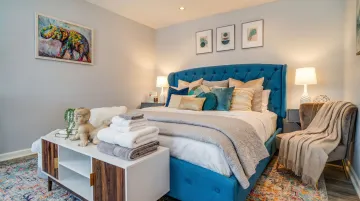
- 4-6 throw pillows per sofa in varied sizes (18", 20", 22")
- One throw blanket per seating area, plus one extra per bedroom
- Hotel-quality sheets (300+ thread count) and duvet covers
- Two pillows per sleeper in different firmness levels
- Two full bath towel sets per guest, plus extras
Choose machine-washable items exclusively. Comfort pieces requiring dry cleaning or special care won't survive the rental environment. Performance fabrics with stain resistance substantially extend lifespan.
Keep extra blankets in closets for guests who prefer additional warmth. This simple touch frequently appears in positive reviews.
Idea 8: Create Designated Spaces for Guest Needs
I usually think through this like I’m walking in with a suitcase, a phone to charge, and no idea where anything goes yet. That makes it much easier to spot what the space is missing.
Essential functional elements:
- Entryway with hooks for coats and bags, seating for removing shoes, small table for keys
- Luggage racks or benches in bedrooms, with cleared drawer space and empty hangers
- Bathroom hooks for towels and robes, plus counter space for toiletries
- Side tables within reach of seating and charging stations for devices
Clear at least 50% of closet space and three dresser drawers per bedroom. Guests shouldn't need to live out of suitcases or search for places to put their belongings.
Luggage racks keep suitcases off beds and floors, making rooms feel more organized. If you're struggling to balance functionality with aesthetic appeal in your vacation rental, working with an interior design coach can help you create spaces that look beautiful and work seamlessly for guests.
Modern Amenities and Smart Details
I usually recommend smart details that remove small points of friction for guests, like where they charge their phone, how they adjust the temperature, or whether they have a comfortable place to work.
Idea 9: Integrate Smart Home Technology Thoughtfully
Over 35% of vacation rentals have adopted smart home technology, with adoption rates climbing rapidly. Technology enhances guest experience when implemented thoughtfully but creates frustration when overly complicated.
High-value smart features:
- Keyless entry: Smart locks eliminate key exchanges and enable remote access management
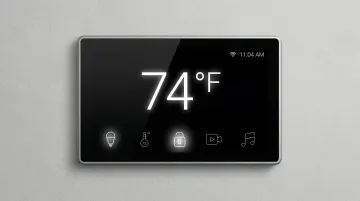
- Smart thermostats: Allow guests to customize comfort while enabling energy efficiency between stays
- Voice assistants: Provide hands-free control for lights, music, and information
- Automated lighting: Program lights to turn on before guest arrival for welcoming ambiance
Implementation rules:
- Provide clear, simple instructions with photos for all smart devices
- Make sure technology works seamlessly. Nothing frustrates guests more than malfunctioning tech
- Maintain manual backup options for all automated systems
- Test all systems from a guest perspective before each stay
Idea 10: Design Multi-Functional Workspaces
Remote work has transformed guest expectations. Dedicated workspaces are now essential, not optional.
Guests increasingly filter searches specifically for "dedicated workspace" amenities.
Workspace essentials:
- Proper desk or table (not just a dining table)
- Ergonomic chair with back support
- Task lighting (desk lamp with 500+ lumens)
- Accessible power outlets and USB charging ports
- High-speed WiFi (minimum 100 Mbps download)
Multi-functional design:
Position workspaces to serve multiple purposes. A bedroom corner desk works for remote sessions during the day and doubles as a vanity or luggage surface otherwise.
A dining table with good lighting can function as a workspace when paired with a comfortable chair.
Position workspaces to provide visual privacy for video calls. Avoid backgrounds that show unmade beds or cluttered areas.
Idea 11: Blur Indoor-Outdoor Boundaries
Outdoor amenities drive revenue. Properties with developed outdoor spaces command higher nightly rates and receive better reviews.
Outdoor living essentials:
- Comfortable, weather-resistant seating with cushions
- Outdoor dining table and chairs for al fresco meals
- Shade solutions (umbrellas, pergolas, covered patios)
- Ambient lighting for evening use (string lights, lanterns)
- Defined zones for different activities (dining, lounging, fire pit)
Maximizing connection:
Create seamless transitions between spaces.
- Install French doors or sliding glass doors
- Use similar color palettes indoors and outdoors
- Position indoor seating to frame outdoor views
- Make outdoor spaces visible in listing photos
Stage outdoor areas as if guests will use them immediately. Open umbrellas, set the table, light the fire pit for photos.
These details significantly impact perceived value.
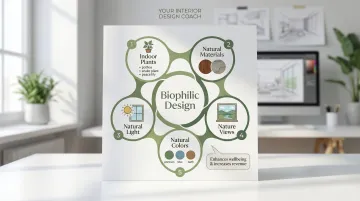
Idea 12: Add Biophilic Design Elements
Natural elements are one of the easiest ways to make a space feel calmer. I usually start with simple things like wood tones, greenery, natural light, or colors that connect back to the landscape.
Incorporating nature:
- Indoor plants: Select low-maintenance varieties (pothos, snake plants, ZZ plants) or high-quality artificial plants
- Natural materials: Wood, stone, bamboo, and rattan throughout the space
- Maximized natural light: Keep windows unobstructed, use sheer curtains
- Nature views: Position seating to frame outdoor views
- Natural color palettes: Greens, blues, earth tones inspired by the landscape
Practical considerations:
If you're not local, invest in quality artificial plants rather than real plants that may die between stays. Modern artificial plants are remarkably realistic and require only occasional dusting.
Consider working with a local plant care service for monthly maintenance if you want living plants but can't maintain them yourself.
If you’re still feeling stuck on how to make your vacation rental feel more guest-ready, let’s talk! Reach out to us at 408-306-5003 for a free consultation, and we can take it from there.
Finishing Touches That Make Your Rental Stand Out
These final details create "wow" moments that translate to glowing reviews and social media shares.
Idea 13: Curate a Signature Welcome Experience
First impressions set the tone for the entire stay. A thoughtful welcome creates immediate positive feelings that influence reviews.
Welcome experience elements:
- Styled entryway: Fresh flowers or greenery, attractive console table, welcoming lighting
- Welcome basket: Local snacks, bottled water, coffee, tea, small treats
- Local guidebook: Curated recommendations for restaurants, activities, and hidden gems
- Personalized note: Brief welcome message (can be printed template)
- Practical essentials: WiFi password displayed prominently, house manual, emergency contacts
These touches cost $15-30 per stay but significantly impact guest satisfaction. Guests frequently mention thoughtful welcome amenities in five-star reviews.
Idea 14: Use Strategic Area Rugs
Area rugs define spaces, add warmth, and introduce color and texture. However, rental environments require careful selection to balance aesthetics, durability, and ease of cleaning.
Where rugs work well:
- Living rooms under coffee tables (ensure furniture front legs sit on rug)
- Entryways for defining arrival space and catching dirt
- Bedroom sitting areas (not under beds, cleaning complication)
Where to avoid rugs:
- Under dining tables (food spills are inevitable)
- Bathrooms (moisture and cleaning challenges)
- High-traffic hallways (trip hazard and rapid wear)
Rental-appropriate rug selection:
Choose machine-washable rugs exclusively, or select indoor-outdoor rugs that can be hosed off. Avoid light colors and delicate materials.
Flatweave and low-pile rugs are easier to clean than high-pile or shag styles.
Use rug pads underneath to prevent slipping and extend rug life.
Idea 15: Style for Photos and Social Sharing
Instagram-worthy spaces generate organic marketing as guests share their experiences on social media.
Creating shareable moments:
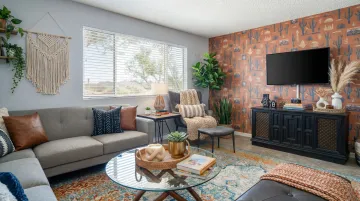
- Design one "statement wall" with bold color, wallpaper, or gallery art
- Create styled vignettes (coffee station, bar cart, reading nook)
- Ensure spaces photograph well in natural light
- Add unexpected touches (swing chair, unique light fixture, striking artwork)
- Style surfaces with attractive objects in odd-numbered groups (3 or 5 items)
Photography considerations:
Prepare these elements before professional photography sessions:
- Declutter all surfaces completely
- Open all curtains and blinds to maximize natural light
- Turn off all artificial lights (natural light photographs better)
- Style outdoor spaces as if guests will use them immediately
- Add fresh flowers or greenery throughout
Remember that listing photos must accurately represent the space. Instagram-worthy styling is valuable, but misleading photos generate negative reviews.
Bringing Your Design Vision to Life
This is where you may start to feel stuck: deciding what to handle yourself, where to spend, and what actually matters most. I usually recommend starting with the areas guests notice and use right away, like lighting, bedding, seating, surfaces, and storage, then working backwards from your budget.
Budget planning:
Create a realistic budget before starting any design project. Industry data suggests allocating 10-15% of expected annual rental income for design updates and maintenance.
Prioritize high-impact changes that guests notice immediately: living room (featured in main photos), bedrooms (where guests spend most time), and entry areas (first impression).
Typical investment ranges:
- Living room refresh: $1,500-$5,000 (furniture, lighting, décor)
- Bedroom upgrade: $1,500-$3,000 per room (bedding, lighting, storage)
- Kitchen updates: $1,000-$3,000 (small appliances, organization, styling)
- Professional photography: $300-$800 (typically pays for itself within 2-4 weeks)
Understanding your budget helps determine which improvements to tackle yourself versus where to seek guidance.
Many improvements work well as DIY projects: painting, styling, shopping for furniture and décor. However, professional guidance prevents costly mistakes and helps hosts make confident decisions about layout, color selection, and furniture scale.
Interior design coaches specializing in vacation rentals help hosts solve design challenges while balancing aesthetics with practical considerations like budget constraints, durability requirements, and cleaning efficiency, without the investment of full-service design.
Update listing photos professionally:
After implementing design changes, invest in professional photography to showcase improvements. Research consistently shows that professional photos increase bookings by 20-40% and support premium pricing, making photography one of the highest-ROI investments you can make.
Your Quick Recap
A vacation rental is a product. Guests are not comparing you to their living room - they are comparing you to every other listing in your price range. The properties that earn the best reviews are not the most expensive ones; they are the most intentional ones. Every design decision either builds that intention or dilutes it.
- Your listing hero photo carries the full weight of the first impression - design directly affects it
- Clutter in photos costs bookings; clutter during a stay costs reviews
- Durability and aesthetics are not opposites - performance fabrics and quality pieces last longer and look better
- Local art is not decoration - it is differentiation from every generic listing in your market
- Professional photography after a design upgrade is one of the highest-ROI investments a host can make (bonus insight)
- Multi-generational and group-friendly layouts expand your bookable guest types without extra cost (bonus insight)
If you're still feeling stuck and haven't been able to move things forward, let's talk! Reach out to us at 408-306-5003 for a free consultation, and we can take it from there.
Frequently Asked Questions
How much should I budget for vacation rental interior design improvements?
Allocate 10-15% of expected annual rental income as a realistic starting point. Prioritize high-impact areas like the living room, master bedroom, and entryway to create the strongest first impressions.
What design changes have the biggest impact on bookings?
Professional photography delivers the highest ROI, often paying for itself within weeks. Updated bedding, fresh neutral paint, improved lighting, and decluttering also provide immediate impact, particularly when your living room is featured in the main listing photo.
Should I hire a professional interior designer for my vacation rental?
A designer who specializes in vacation rentals can save money long-term by avoiding mistakes and prioritizing investments strategically. YIDC offers coaching specifically for Airbnb and Vrbo hosts, a budget-friendly option that provides professional guidance without full-service fees.
How do I choose a design style that appeals to most guests?
Use timeless, neutral base designs with regional touches that reflect your location. Neutral palettes with natural materials appeal broadly while allowing you to refresh accent colors seasonally without major investment.
What are the most common vacation rental design mistakes to avoid?
Common mistakes include over-decorating with personal items, choosing impractical furniture, inadequate lighting in work areas and kitchens, ignoring guest storage needs, and selecting materials that are difficult to clean. Always prioritize durability and maintenance alongside aesthetics.
How often should I update my vacation rental's interior design?
Conduct annual design audits and plan small refreshes every 1-2 years (throw pillows, artwork, paint touch-ups) with major updates every 3-5 years. Replace linens annually and mattresses every 5-7 years in high-turnover properties.